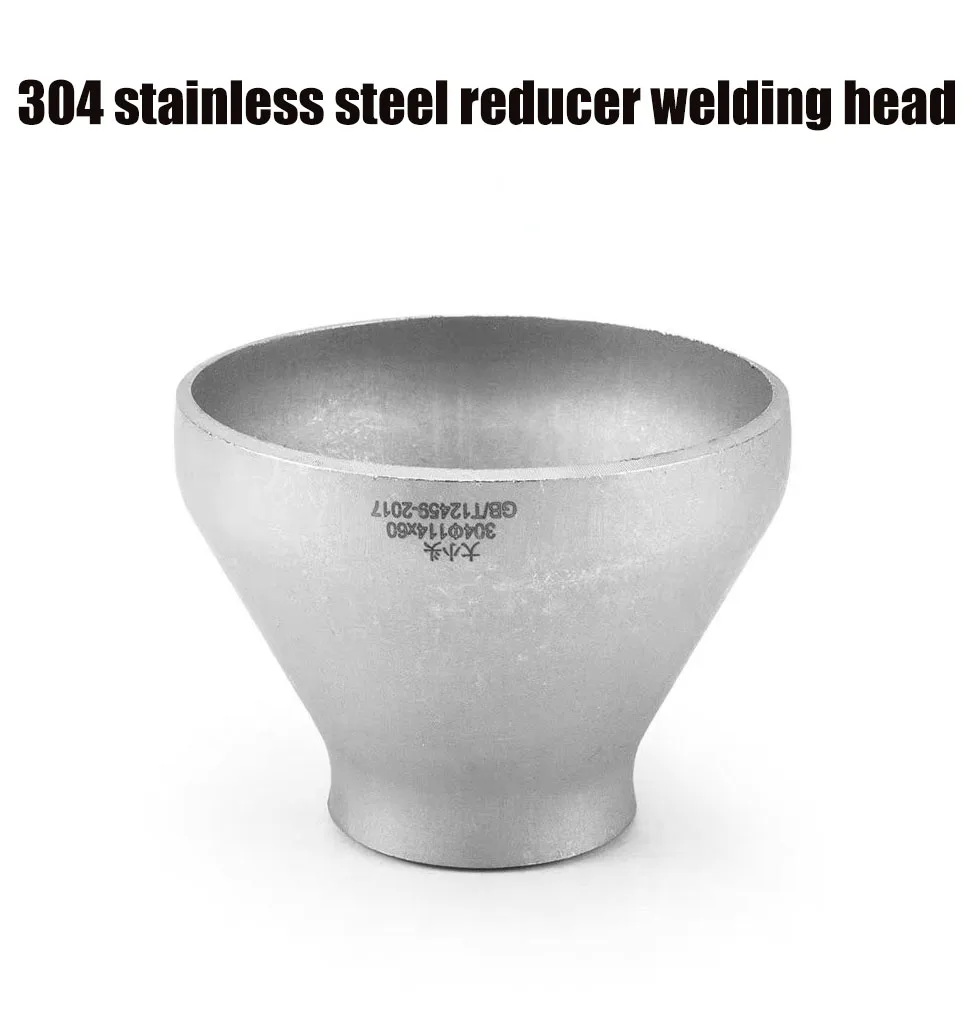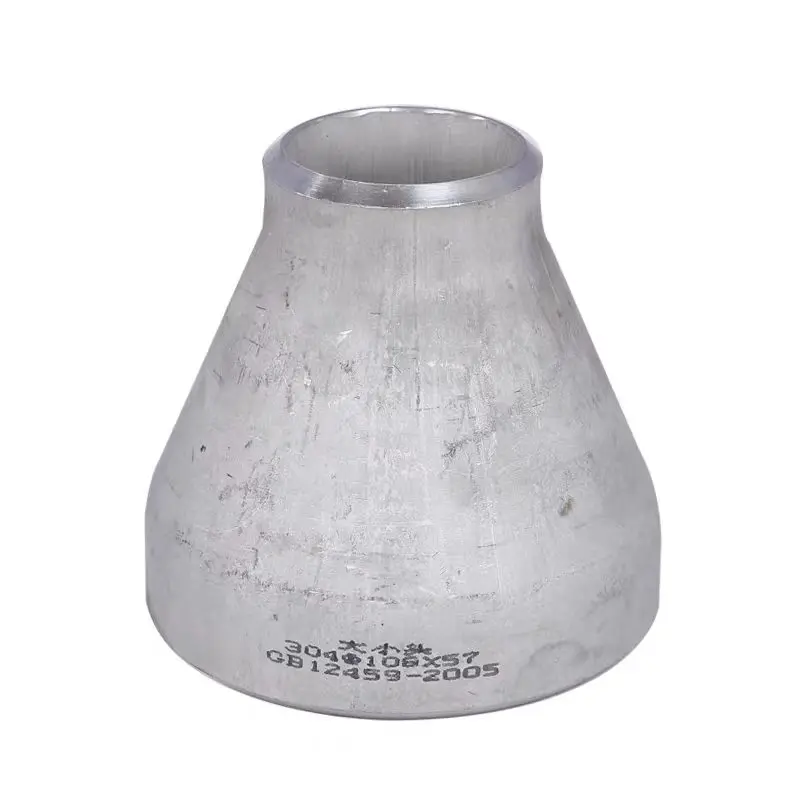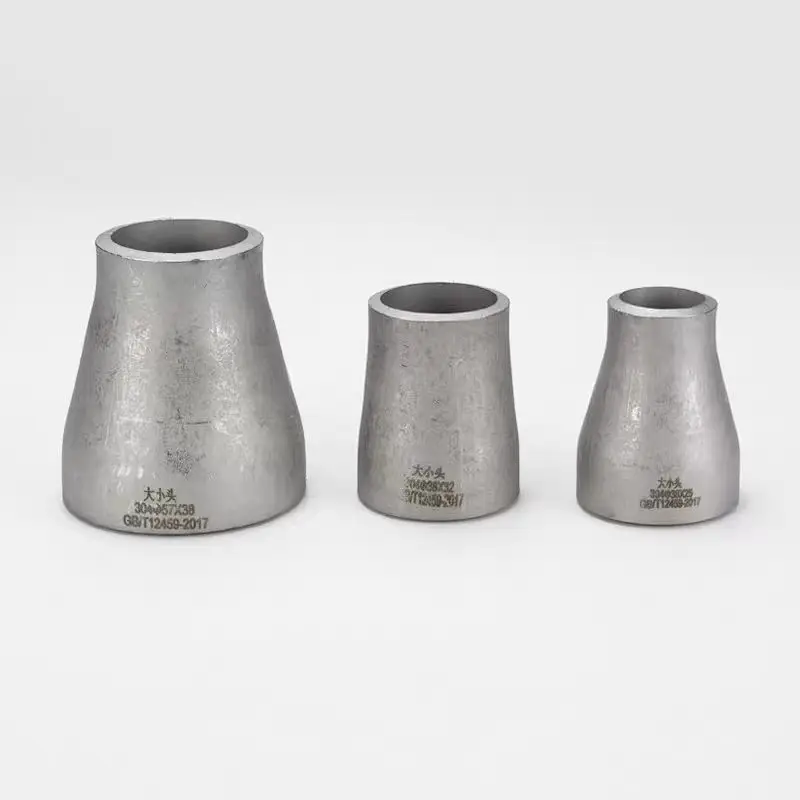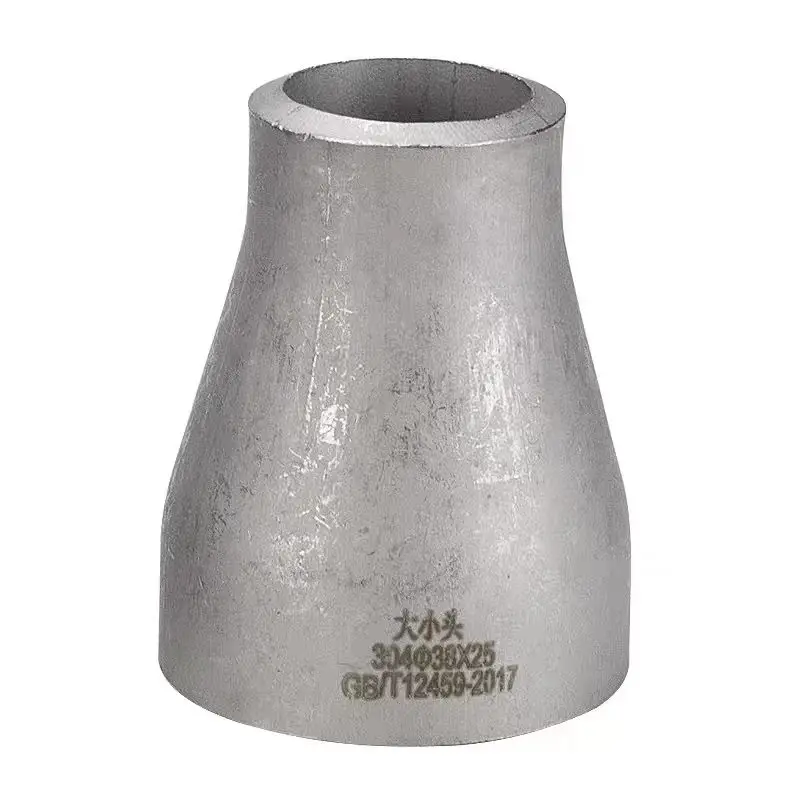
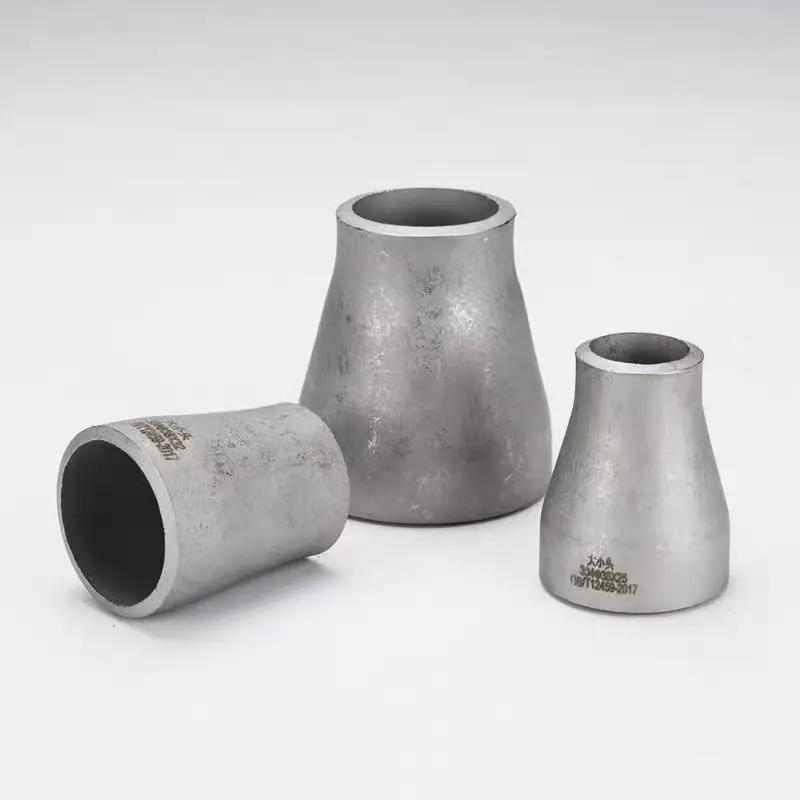
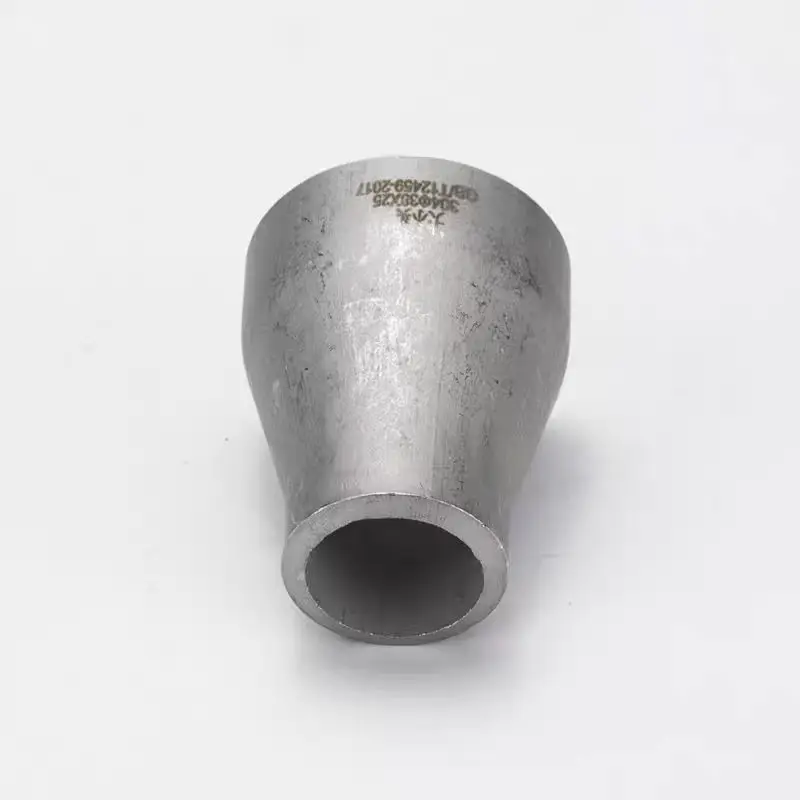
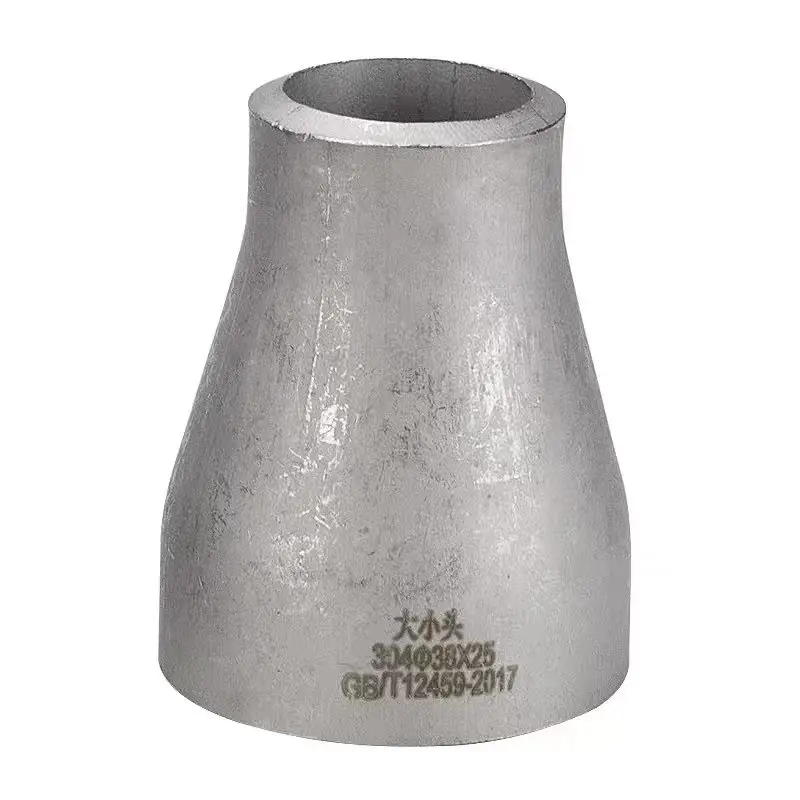
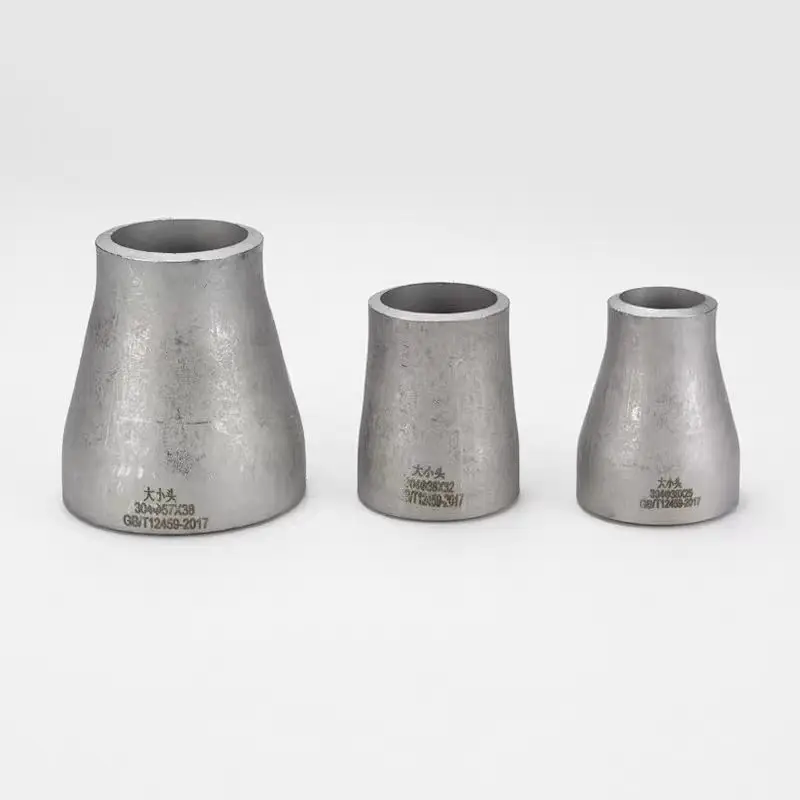
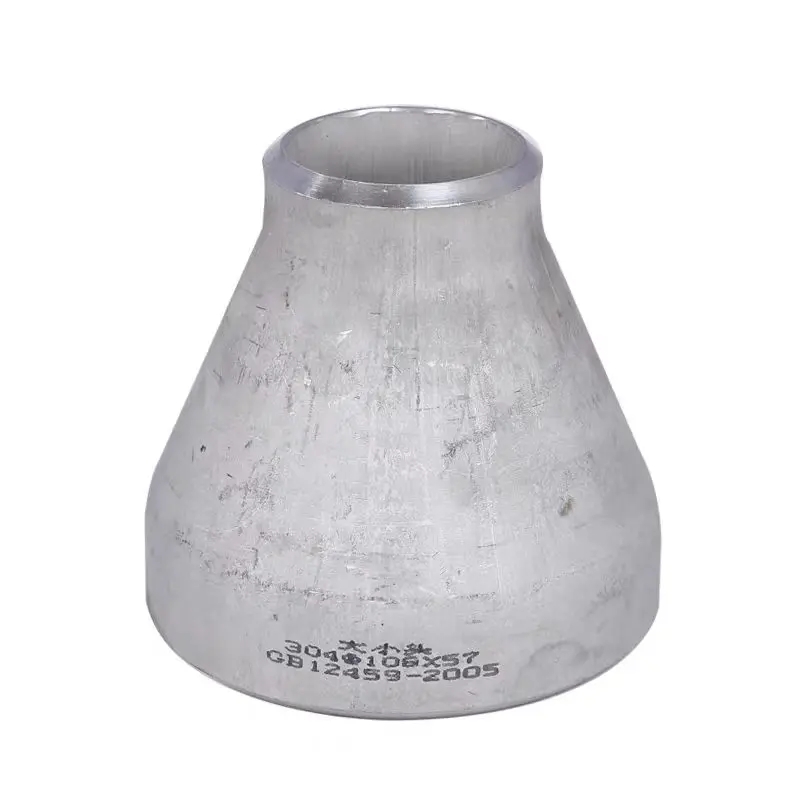
Concentric Reducer Pipe Fitting for Industrial Pipelines
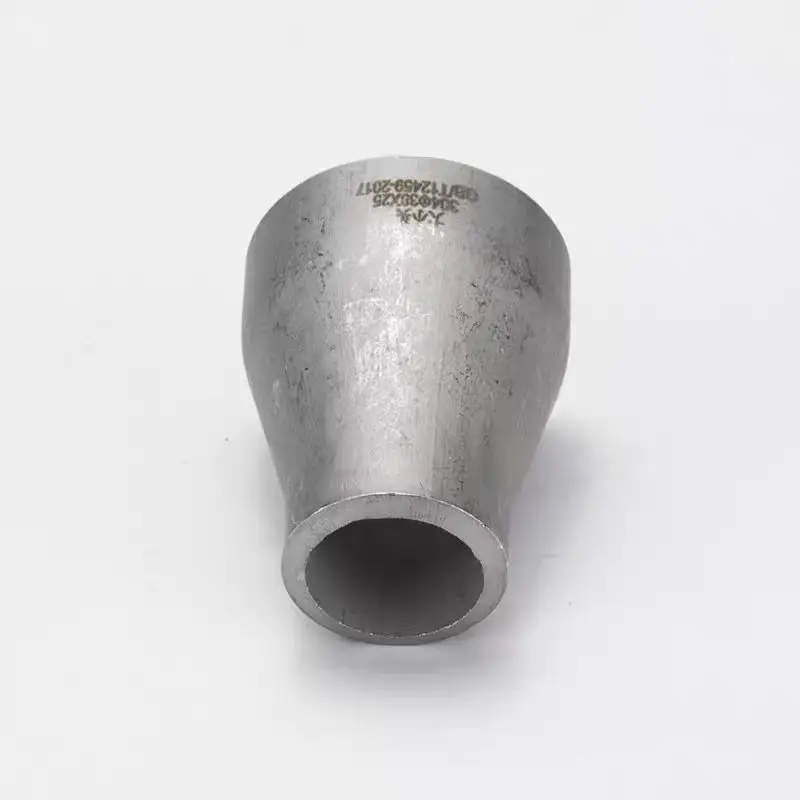
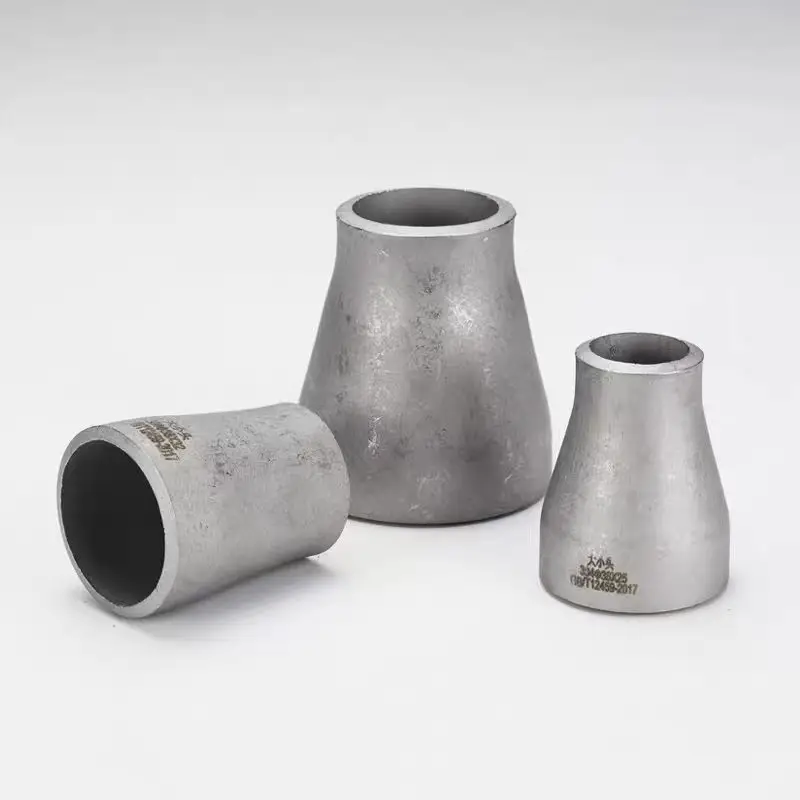
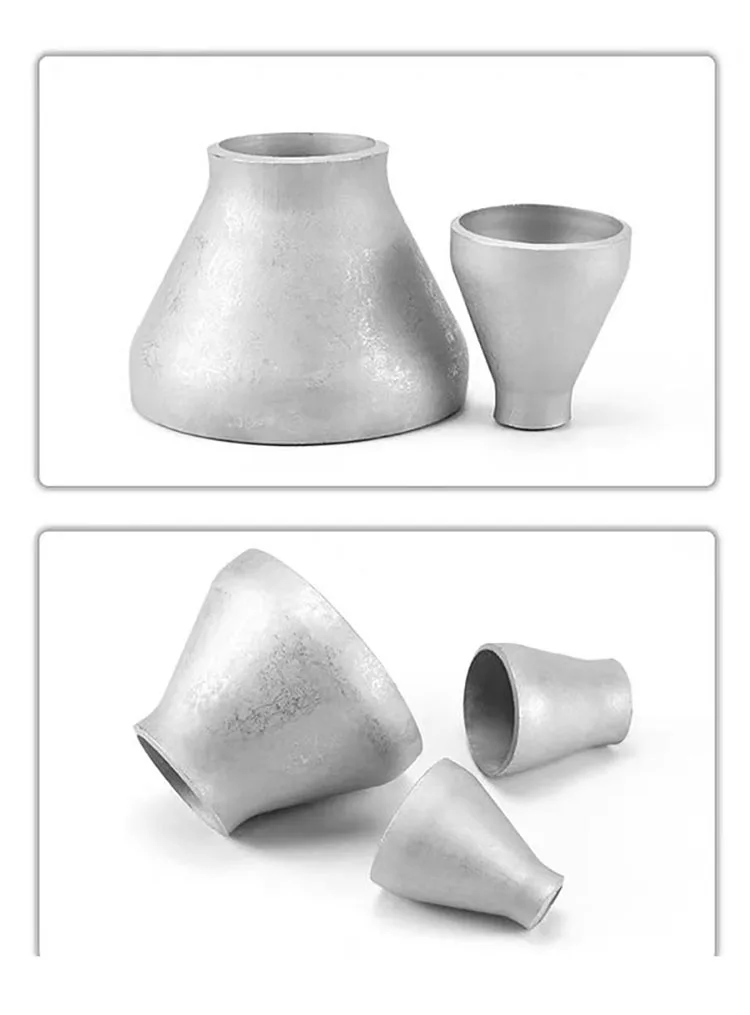
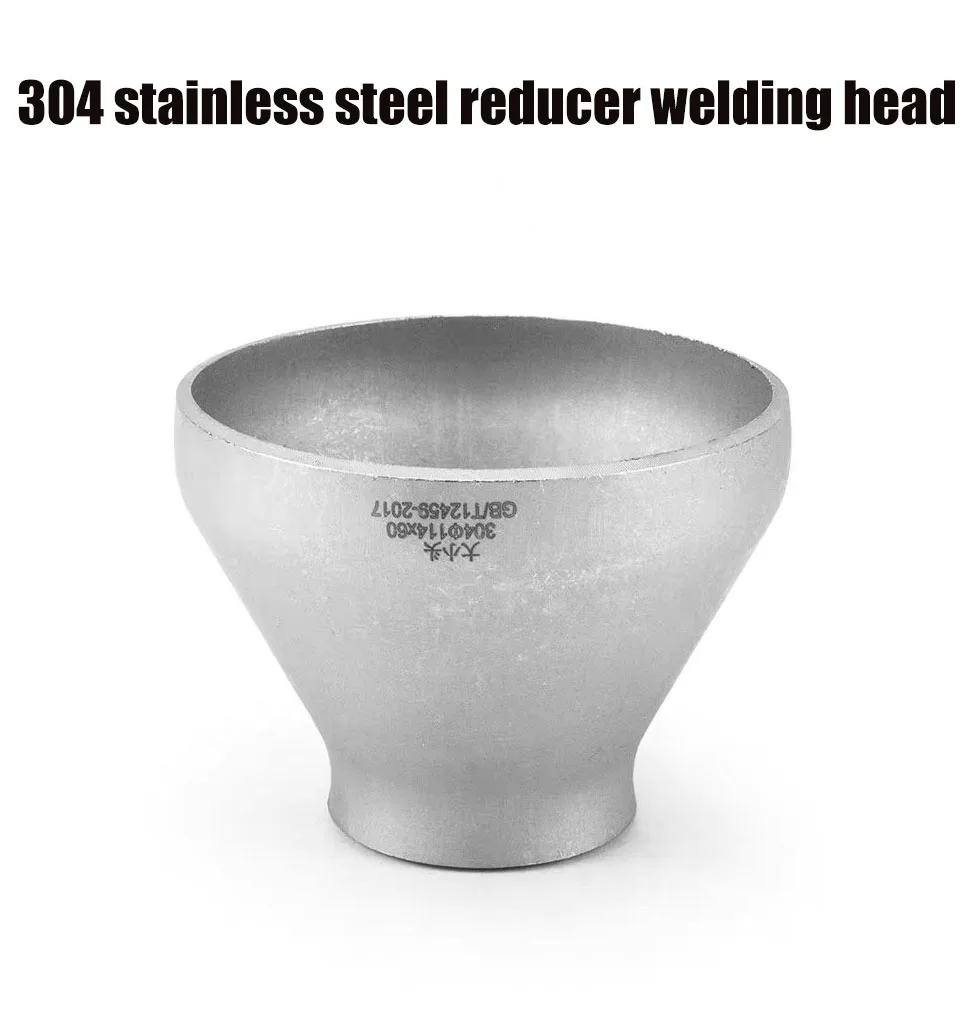
Hongze Pipe concentric reducers connect two pipes of different diameters while keeping the centerlines of the large end and small end on the same axis. The symmetrical tapered body provides a gradual transition between pipe sizes and is commonly selected for vertical pipelines, pump discharge lines and process systems where centered alignment is required.
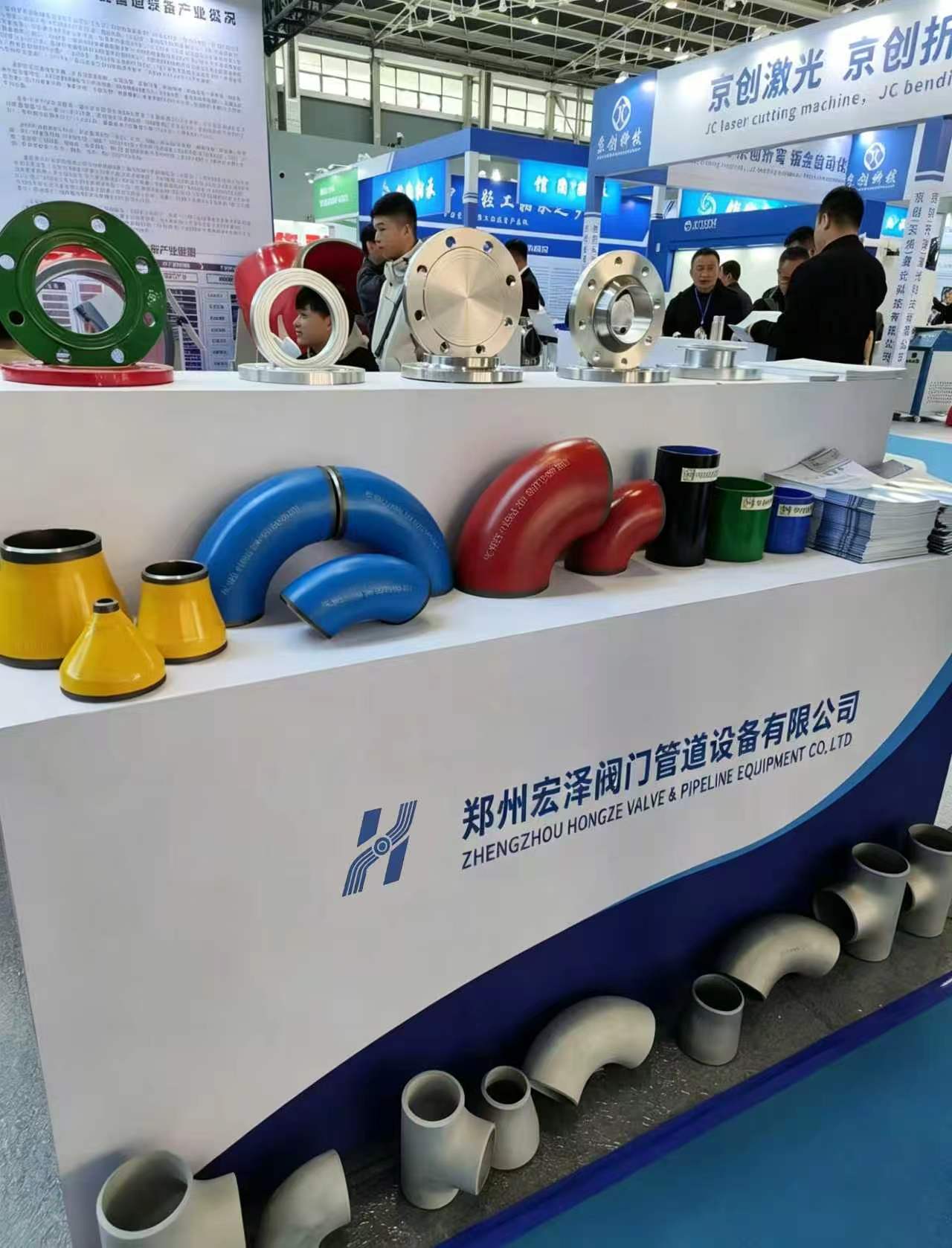
Zhengzhou Hongze Valve Pipeline Co., Ltd. supplies butt weld concentric reducer pipe fittings in carbon steel, stainless steel, alloy steel, low-temperature steel, duplex stainless steel and high-strength pipeline grades. Large-end size, small-end size, wall thickness at each end, material, construction class, length, end preparation, heat treatment, coating, inspection and documentation can be customized according to the piping specification or approved drawing.
Large-diameter and drawing-based production: ASME B16.9 covers applicable factory-made wrought butt weld fittings from NPS 1/2 through NPS 48 / DN 1200. Actual reducer availability depends on the large-end and small-end combination, material, wall thickness, construction and manufacturing route. Reducers above NPS 48, special lengths, unequal schedules, heavy walls and non-standard outside diameters can be evaluated according to an approved drawing and project specification.
Product Advantages
- Coaxial large and small ends for centered pipeline alignment.
- Gradual diameter transition for industrial fluid transportation.
- Large-end and small-end sizes can be selected independently.
- Same schedule or different wall thickness at each end can be supplied.
- Seamless or welded construction according to material specification, size and class.
- Carbon steel, P11/P22 alloy steel, stainless steel, duplex and low-temperature grades available.
- Standard, large-diameter, heavy-wall and drawing-based reducers can be evaluated.
- Material certificates, heat-number traceability, PMI, mechanical testing and NDE are available when specified.
Concentric Reducer General Specifications
| Product | Concentric Reducer / Conical Pipe Reducer / Butt Weld Reducer |
|---|---|
| Size designation | Large end × small end, for example NPS 8 × 6 or DN200 × DN150 |
| Standard size scope | Applicable ASME B16.9 wrought fittings within NPS 1/2-NPS 48 / DN15-DN1200; exact combinations subject to the dimensional tables and manufacturing feasibility |
| Large custom sizes | Above NPS 48 / DN1200, special OD, special length or fabricated construction according to approved drawing and project specification |
| Wall thickness | SCH 5S, 10S, 20, 30, STD, 40/40S, 60, XS, 80/80S, 100, 120, 140, 160 and XXS where available |
| Unequal wall options | Large-end and small-end walls may differ; state both schedules or actual wall thicknesses |
| Construction | Seamless, welded, formed or fabricated as permitted by the specified product standard and project requirements |
| Connection | Butt weld ends; other end configurations only according to an approved drawing |
| Dimensional standards | ASME B16.9, EN 10253, JIS, GB/T 12459 and approved project drawings |
| Material standards | ASTM A234, A403, A420, A815, A860 and other specified standards |
| End preparation | Plain or beveled ends according to the specified wall thickness and welding-end requirements |
| Inspection and documents | EN 10204 3.1 MTC, visual/dimensional inspection, PMI, hardness, tensile/impact tests, UT, RT, MT or PT when specified |
| Customization | End diameters, wall at each end, overall length, taper, material, bevel, heat treatment, coating, marking, testing and packing |
Pressure-rating note: a butt weld concentric reducer is not normally ordered with a flange-style pressure Class. Its allowable pressure-temperature rating depends on material, minimum wall thickness, dimensions, service conditions and the governing piping code. Provide both end sizes, both end walls and the design conditions.
Concentric Reducer vs Eccentric Reducer
| Selection | Concentric Reducer | Eccentric Reducer |
|---|---|---|
| Centerline | Large and small ends share the same centerline | Centerlines are offset; one side is normally flat |
| Typical layout | Vertical lines or centered horizontal transitions where process design permits | Horizontal pump suction, drainage or lines requiring a flat top/bottom arrangement |
| Alignment | Maintains axial center alignment | Maintains one selected pipe surface elevation |
| Fluid-management concern | May create a high or low pocket in some horizontal layouts | Flat-side orientation can help manage vapor pockets or drainage when correctly selected |
| Selection responsibility | The piping designer must select type and orientation according to flow direction, phase, pump requirements, drainage, venting and layout | |
A concentric reducer should not automatically replace an eccentric reducer on a pump suction line. Similarly, an eccentric reducer should not be substituted for a centered transition without checking alignment and piping stress. The approved piping specification and isometric drawing govern selection.
Common Materials and Grades
| Material Group | Common Reducer Grades | Typical Selection Notes |
|---|---|---|
| Carbon Steel | ASTM A234 WPB, WPC | Water, oil, gas, steam and general process piping within approved design limits |
| Low-Temperature Carbon Steel | ASTM A420 WPL6 and project-specified grades | State minimum design-metal temperature and required impact-test temperature |
| Alloy Steel | ASTM A234 WP1, WP5, WP9, WP11, WP22, WP91 | Power and elevated-temperature piping; grade, class, heat treatment, hardness and NDE must be confirmed |
| Austenitic Stainless Steel | ASTM A403 WP304/304L, WP316/316L, WP321 | Select for the actual medium, chloride concentration, temperature and cleaning conditions; state construction class |
| Duplex / Super Duplex | ASTM A815 grades based on S31803/S32205, S32750 or project specification | Heat treatment, ferrite balance, corrosion service, welding and NDE need project review |
| High-Strength Pipeline Steel | ASTM A860 WPHY 42, 52, 60, 65 or 70 where specified | For high-strength transmission piping; match the pipeline design, toughness and welding requirements |
| GB / EN / JIS Materials | 20#, Q345/16Mn, stainless grades and approved equivalents | Equivalent materials require purchaser approval after chemistry, properties and heat-treatment comparison |
Use the fitting grade: terms such as “P11 pipe,” “316 stainless” or “carbon steel” do not completely define a pressure-piping reducer. A purchase description should state the fitting specification and grade, such as ASTM A234 WP11 or ASTM A403 WP316L, together with construction class where applicable.
Common Large-End and Small-End Combinations
A concentric reducer has two nominal diameters. The first is normally the large end and the second is the small end. The table below shows frequently requested combinations; it is not a complete ASME B16.9 dimensional table. Other combinations are confirmed against the specified standard or drawing.
| Nominal Size | DN | Large-End OD (mm) | Small-End OD (mm) | Wall Specification Example |
|---|---|---|---|---|
| 2 × 1 1/2 | DN50 × DN40 | 60.3 | 48.3 | SCH 40 × SCH 40 |
| 3 × 2 | DN80 × DN50 | 88.9 | 60.3 | SCH 80 × SCH 80 |
| 4 × 3 | DN100 × DN80 | 114.3 | 88.9 | SCH 40 × SCH 40 |
| 6 × 4 | DN150 × DN100 | 168.3 | 114.3 | SCH 40 × SCH 80 if specified |
| 8 × 6 | DN200 × DN150 | 219.1 | 168.3 | SCH 40 × SCH 40 |
| 10 × 8 | DN250 × DN200 | 273.0 | 219.1 | STD × STD |
| 12 × 10 | DN300 × DN250 | 323.8 | 273.0 | SCH 20 × SCH 20 |
| 16 × 12 | DN400 × DN300 | 406.4 | 323.8 | Specify actual wall at both ends |
| 20 × 16 | DN500 × DN400 | 508.0 | 406.4 | Specify actual wall at both ends |
| 24 × 20 | DN600 × DN500 | 610.0 | 508.0 | Specify actual wall at both ends |
| 30 × 24 | DN750 × DN600 | 762.0 | 610.0 | Large-diameter welded construction subject to review |
| 36 × 30 | DN900 × DN750 | 914.0 | 762.0 | State wall, seam, NDE and heat treatment |
| 48 × 36 | DN1200 × DN900 | 1219.0 | 914.0 | Drawing and manufacturing review required |
The schedules shown above are examples of how an inquiry may be written; they are not default walls or design recommendations. The correct wall at each end must come from the piping specification. Overall reducer length, tolerances and available size reductions must be confirmed against the specified standard edition or approved drawing.
Wall Thickness and End Preparation
Specifying only one schedule can be ambiguous when the reducer joins two piping classes. Hongze Pipe recommends stating the large-end and small-end requirements separately, especially for heavy-wall, alloy-steel and replacement reducers.
- Same schedule: both ends have the same schedule designation, although their numerical wall thicknesses may differ because the nominal sizes differ.
- Different schedules: for example, NPS 8 SCH 80 × NPS 6 SCH 40; both ends and the transition must be reviewed.
- Actual-wall order: state the required minimum or nominal wall in millimeters when schedule designation is unsuitable.
- Butt weld bevel: machine each end according to its actual wall and the specified welding-end standard.
- Internal transition: taper machining or weld-end matching can be evaluated according to an approved detail.
- Corrosion allowance: must be defined by the piping designer; it is not automatically added by the reducer manufacturer.
Flow Direction and Installation
A concentric reducer may operate as a reducer from large diameter to small diameter or as an expander in the opposite direction. Flow velocity and static pressure change through the transition, but the actual hydraulic result depends on fluid properties, flow rate, taper geometry and the surrounding piping system. The product page does not replace hydraulic or piping-stress calculations.
- Verify that both end diameters and wall thicknesses match the connected pipes.
- Align the pipe centerlines before tack welding; do not pull misaligned pipes into position with the reducer.
- Use a qualified welding procedure and compatible filler material.
- Check internal bore matching for high-velocity, erosive, piggable or hygienic service.
- Provide independent pipe supports; the reducer is not intended to carry uncontrolled external loads.
- For horizontal pump suction or two-phase service, confirm whether an eccentric reducer and specific flat-side orientation are required.
Large-Diameter and Drawing-Based Reducers
| Custom Requirement | Information Required | Technical Review |
|---|---|---|
| NPS 26-NPS 48 reducer | Large and small ends, both walls, material, standard edition, class and quantity | Starting plate/pipe, forming route, seam, heat treatment, NDE and dimensional capability |
| Above NPS 48 / DN1200 | Controlled drawing with both ODs/IDs, walls, length, taper, ends and tolerances | Project design specification, fabrication method, weld qualification and inspection plan |
| Heavy-wall alloy reducer | Grade/class, wall at each end, pressure, temperature, PWHT and NDE | Forming reduction, hardness, grain condition, mechanical tests and weld-end transition |
| Special-length reducer | Required overall length, taper angle, straight ends and installation envelope | Forming feasibility, hydraulic transition and applicable project acceptance criteria |
| Fabricated reducer | Design code, weld layout, material, pressure, temperature and medium | Not automatically a standard ASME B16.9 wrought reducer; purchaser approval is required |
Manufacturing Process
- Technical review: confirm two end sizes, two end walls, material, class, length, service and inspection requirements.
- Raw-material control: verify heat number, chemistry, dimensions and material certificates.
- Forming: press, draw, roll/form, weld/form or use another approved route according to size and material.
- Heat treatment: perform normalizing, tempering, solution treatment or the required material-specific cycle.
- End machining: finish each end to its specified OD, wall, bore transition and bevel.
- Inspection: check concentricity, diameters, walls, length, roundness, taper, ends, surface and markings.
- Protection and packing: apply the approved surface finish, protect bevels and prepare export packing.
Inspection, Testing and Documentation
| Inspection / Document | Purpose | Ordering Note |
|---|---|---|
| Visual and Dimensional Inspection | Verify both ends, walls, length, concentricity, roundness, bevel and surface | Standard inspection for every order |
| EN 10204 3.1 MTC | Heat-linked chemistry, heat treatment and mechanical properties | State certificate type before production |
| PMI | Confirm alloy, stainless or duplex grade | Specify sampling rate or 100% PMI |
| UT / RT | Volumetric examination of starting material or welds | Welded construction, heavy wall or critical service when required |
| MT / PT | Detect surface discontinuities | Select method according to material and project specification |
| Hardness / Mechanical Tests | Verify material and heat-treatment properties | According to material specification, class and lot definition |
| Impact Test | Verify low-temperature toughness | State minimum design temperature and test temperature |
| Third-Party Inspection | Witness documents, tests, dimensions and marking | Define hold and witness points before production |
Surface Treatment and Export Packing
- Black finish or anti-rust oil for carbon and alloy steel.
- Black, yellow, red or project-specified protective paint.
- Hot-dip galvanizing where material, wall and service permit.
- Epoxy, FBE, 3LPE or other project coating systems.
- Pickling and passivation for stainless steel when specified.
- Blast cleaning with specified preparation grade and dry-film thickness.
- Plastic end caps, bevel protectors, waterproof wrapping, pallets or wooden cases.
- Heat number, item number, size, material, schedule, color code and project marking.
Applications
- Oil and natural-gas transmission pipelines.
- Petroleum refining and petrochemical process systems.
- Power-plant steam, condensate and auxiliary piping.
- Water supply, drainage and wastewater treatment.
- HVAC, chilled-water and district-heating systems.
- Chemical and pharmaceutical pipelines with compatible material.
- Shipbuilding, offshore and marine piping.
- Mining, slurry and industrial cooling-water pipelines.
- Boiler, pressure-vessel and heat-exchanger connections.
- Food and beverage systems when material, finish and documentation meet hygienic requirements.
How to Specify a Concentric Reducer
- Quantity.
- Concentric reducer type.
- Large-end NPS/DN and actual OD.
- Small-end NPS/DN and actual OD.
- Wall thickness or schedule at the large end.
- Wall thickness or schedule at the small end.
- Material specification, grade and construction class.
- Dimensional standard and edition, or controlled drawing.
- Standard or special overall length and straight-end requirements.
- Design pressure, design temperature and working medium.
- Heat treatment, NDE, impact test, PMI and certificate requirements.
- Coating, marking, packing and destination.
Carbon-steel example: concentric reducer, NPS 8 × 6, SCH 80 × SCH 40, butt weld, seamless ASTM A234 WPB, ASME B16.9, beveled ends, black/oiled and EN 10204 3.1 MTC.
Alloy-steel example: concentric reducer, NPS 24 × 16, actual wall 20 mm × 17.5 mm, ASTM A234 WP11 Class 1, ASME B16.9, heat treatment, hardness and NDE according to the purchase specification.
Stainless example: concentric reducer, NPS 6 × 4, SCH 10S × SCH 10S, ASTM A403 WP316L construction class as specified, ASME B16.9, pickled/passivated and PMI required.
Why Choose Hongze Pipe?
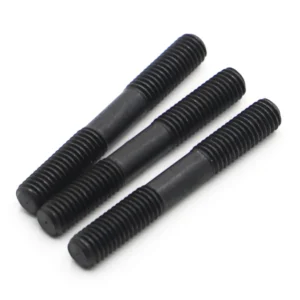
- Hongzepipe supplies reducers, elbows, tees, flanges, pipes, gaskets, stud bolts, valves and expansion joints for complete piping lists.
- Carbon steel, P11/P22 alloy steel, stainless, duplex and low-temperature materials available.
- Support for same-wall, unequal-wall, heavy-wall and special-length reducers.
- Standard and drawing-based production from small sizes through large-diameter project fittings.
- Technical review of both end sizes, both end walls, material class, bevel and inspection requirements.
- Heat-number traceability, material certificates and inspection documentation available.
- Project marking, color coding, packing lists and export packing support.
Frequently Asked Questions
What is a concentric reducer?
It is a tapered pipe fitting that joins two different pipe sizes while keeping the centerlines of both ends on the same axis.
Where is a concentric reducer commonly installed?
It is commonly used in vertical piping and centered transitions. It may also be used in horizontal lines when the fluid behavior, drainage and venting requirements permit.
What is the difference between concentric and eccentric reducers?
A concentric reducer is symmetrical around one centerline. An eccentric reducer offsets the centerlines and normally has one flat side for specific horizontal-piping arrangements.
Do both ends need the same pipe schedule?
No. The large and small ends may have the same schedule or different schedules. State the wall requirement for each end separately.
Does a butt weld reducer have Class 150 or Class 300?
It is normally specified by material and wall thickness, not by a flange-style Class. Its allowable pressure-temperature rating comes from the complete piping design.
Can Hongze Pipe supply WP11 and WP22 reducers?
Yes. State the exact ASTM A234 grade and class, end sizes, both walls, heat treatment, hardness, NDE and documentation requirements.
Can large-diameter concentric reducers be customized?
Yes. Applicable standard products can be evaluated through NPS 48 / DN1200. Larger diameters, special ODs, heavy walls and special lengths require an approved drawing and project specification.
Can reducers be produced according to our drawing?
Yes. Send both end ODs/IDs, wall thicknesses, overall length, taper, straight ends, bevels, tolerances, material and inspection requirements.
What information is needed for quotation?
Provide quantity, large and small sizes, both wall thicknesses, material grade/class, standard, length, service conditions, coating, tests, certificates and drawings.
Related Pipe Fittings
- 90 Degree Steel Pipe Elbow
- 45 Degree Steel Pipe Elbow
- Seamless Steel Pipe
- Industrial Pipe Flanges
- Stud Bolts and Nuts
- More Hongze Pipe Fittings
Request a Concentric Reducer Quotation
Send your bill of materials, piping specification or drawing. For large or non-standard reducers, include both end diameters, both walls, overall length, material, construction and inspection requirements.
Company: Zhengzhou Hongze Valve Pipeline Co., Ltd.
Website: hongzepipe.com
WhatsApp: +86 15838027988
Email: export@hongzepipe.com
Contact: Send Your Reducer List and Requirements
Concentric Reducer Product and Factory Images
The following seven original product-detail images are retained in their existing order.