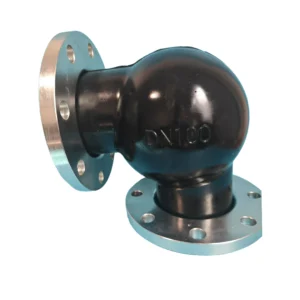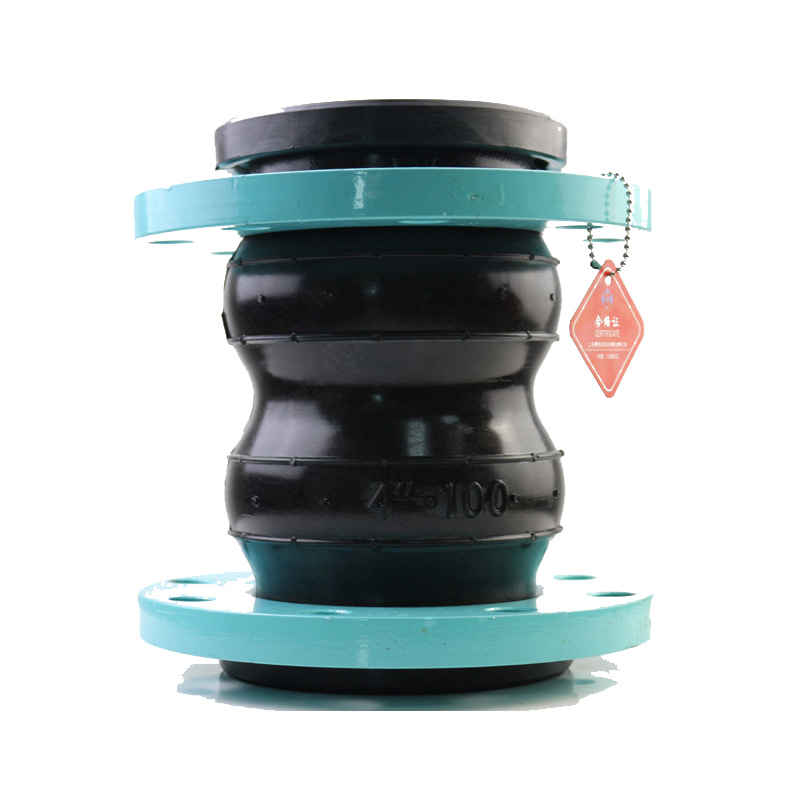
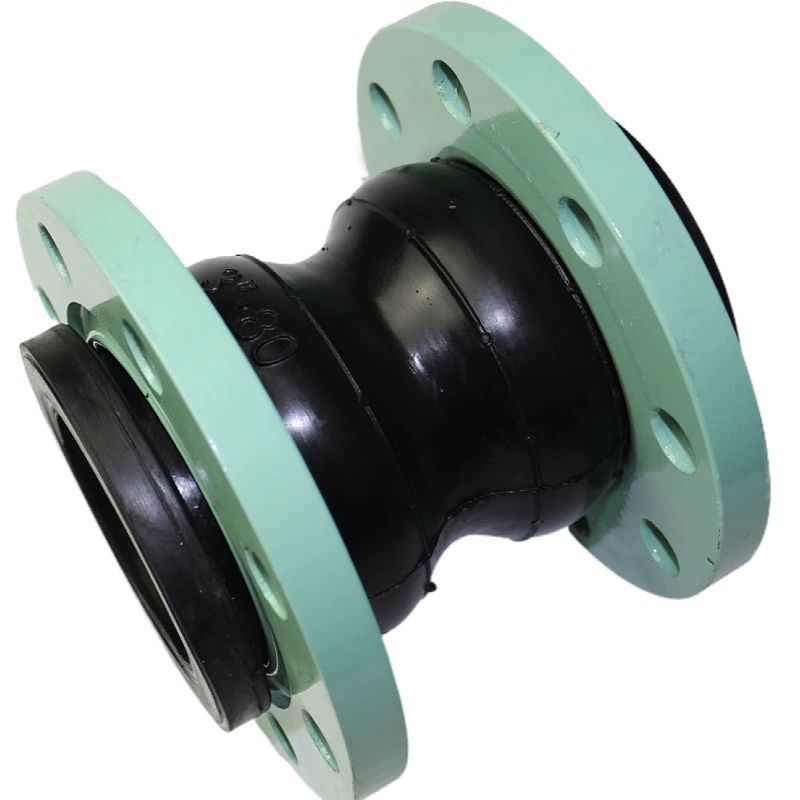
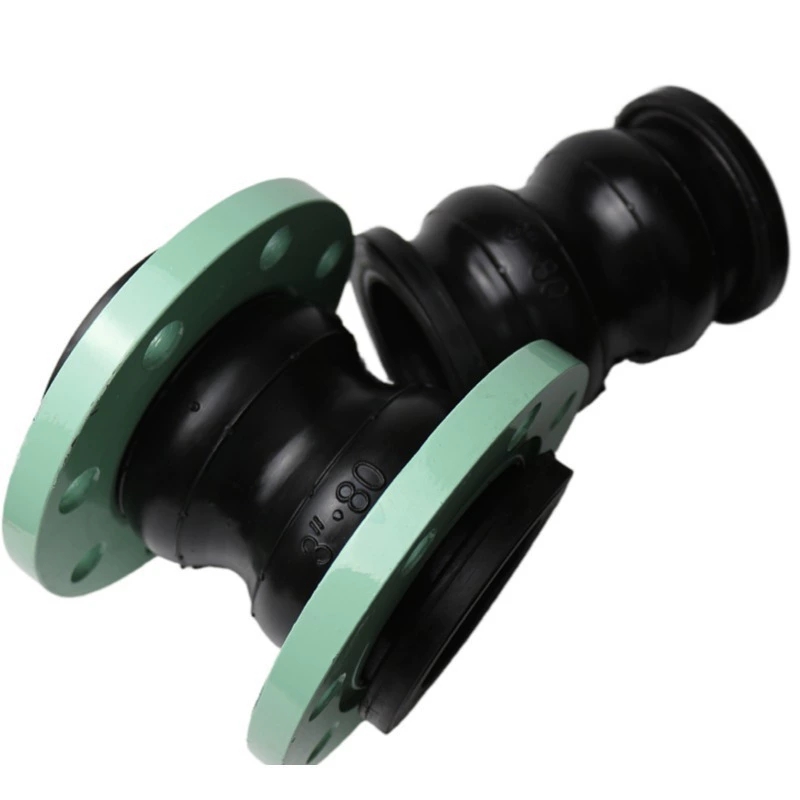
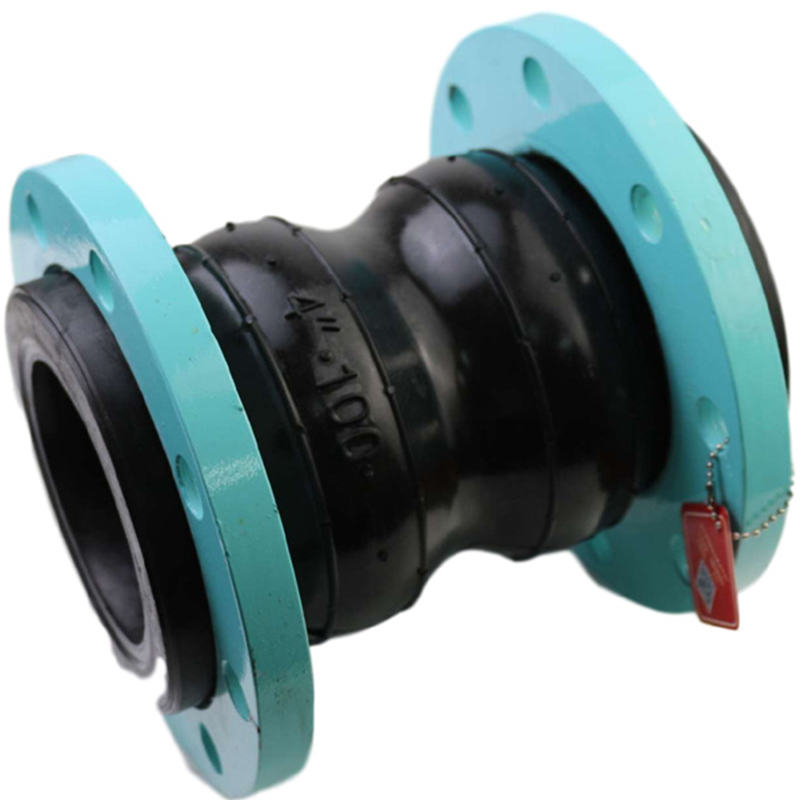
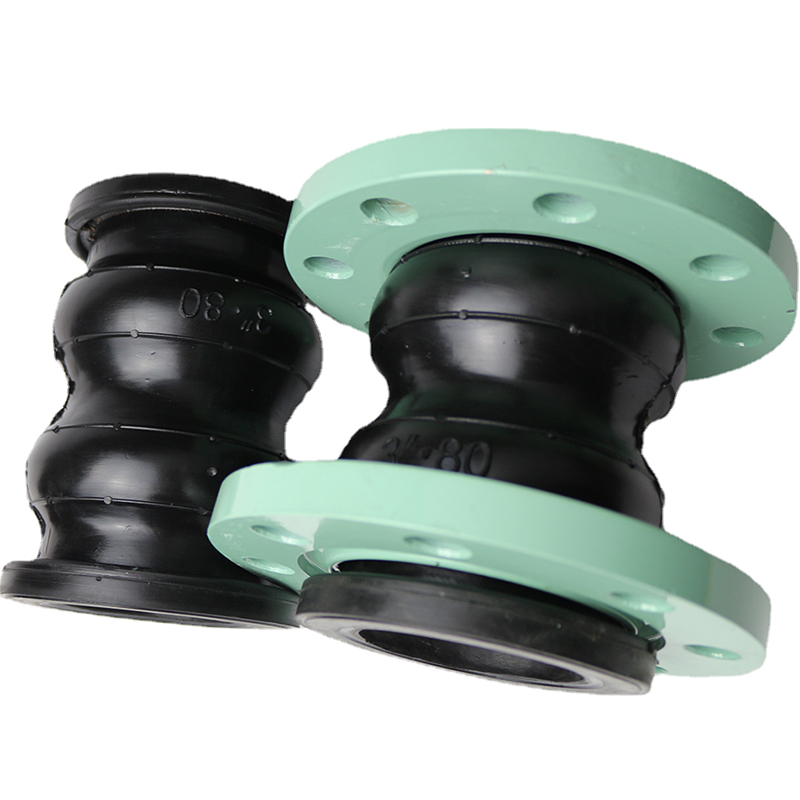
Double Sphere Rubber Expansion Joint
Hongze Double Sphere Rubber Expansion Joint is a flexible flanged pipeline connector designed to absorb vibration, reduce noise, compensate for pipe movement and reduce mechanical stress on pumps, valves, compressors and other pipeline equipment.
Compared with a single sphere rubber expansion joint, the double sphere structure provides increased flexibility and greater axial, lateral and angular movement capacity. It is suitable for pipeline systems where additional movement absorption, vibration isolation or installation flexibility is required.
Zhengzhou Hongze Valve & Pipeline Equipment Co., Ltd. manufactures double sphere rubber expansion joints in sizes from DN40 to DN600. Rubber materials, flange standards, flange materials, face-to-face length and other technical specifications can be customized according to the working medium, temperature, pressure and installation requirements.
Product Features
- Double sphere structure provides greater flexibility than a single sphere design.
- Absorbs axial extension and compression, lateral displacement and angular deflection.
- Reduces vibration and structure-borne noise generated by pumps and mechanical equipment.
- Helps reduce pipeline stress caused by temperature changes, pressure fluctuations and installation deviation.
- Protects pumps, valves, compressors, chillers and connected pipeline equipment.
- Compact flanged design simplifies installation and maintenance.
- Available in different rubber materials for water, air, oil, seawater and chemical media.
- Flange drilling and face-to-face dimensions can be manufactured to project requirements.
- Limit rods, inner sleeves and other optional accessories are available.
Double Sphere Rubber Expansion Joint Specifications
| Item | Available Specification |
|---|---|
| Product name | Double Sphere Rubber Expansion Joint |
| Alternative names | Double Sphere Rubber Joint, Twin Sphere Rubber Expansion Joint, KST Flexible Rubber Joint |
| Nominal diameter | DN40–DN600 (1.5–24 inches) |
| Connection | Flanged connection |
| Rubber materials | EPDM, NBR, Natural Rubber, Neoprene/CR, IIR and FKM/Viton |
| Flange standards | ASME/ANSI, DIN, EN, JIS, BS, GB, HG and customized drilling |
| Flange materials | Carbon steel, galvanized steel, stainless steel 304 or stainless steel 316 |
| Working pressure | Selected according to nominal diameter, construction and project requirements |
| Working temperature | Depends on rubber material and working medium |
| Optional accessories | Limit rods, control units, inner sleeve and customized flanges |
Main Connection Dimensions
The following dimensions are standard reference values. Face-to-face length, flange drilling and movement capacity may be adjusted according to the selected pressure rating, flange standard and project requirements. The approved production drawing should be used as the final reference.
| Nominal Diameter | Inch | Length L (mm) | Axial Extension (mm) | Axial Compression (mm) | Lateral Displacement (mm) | Deflection Angle |
|---|---|---|---|---|---|---|
| DN40 | 1.5 | 165 | 30 | 50 | 45 | 40° |
| DN50 | 2 | 165 | 30 | 50 | 45 | 40° |
| DN65 | 2.5 | 175 | 30 | 50 | 45 | 40° |
| DN80 | 3 | 175 | 30 | 50 | 45 | 40° |
| DN100 | 4 | 225 | 35 | 50 | 40 | 35° |
| DN125 | 5 | 225 | 35 | 50 | 40 | 35° |
| DN150 | 6 | 225 | 35 | 50 | 40 | 35° |
| DN200 | 8 | 325 | 35 | 60 | 35 | 30° |
| DN250 | 10 | 325 | 35 | 60 | 35 | 30° |
| DN300 | 12 | 325 | 35 | 60 | 35 | 30° |
| DN350 | 14 | 325 | 35 | 60 | 35 | 30° |
| DN400 | 16 | 340–400 | 35 | 60 | 35 | 30° |
| DN450 | 18 | 340–400 | 35 | 60 | 35 | 30° |
| DN500 | 20 | 340–400 | 35 | 60 | 35 | 30° |
| DN600 | 24 | 340–400 | 35 | 60 | 35 | 30° |
Note: The above dimensions are reference values. Customized dimensions can be manufactured according to drawings or technical specifications.
Rubber Material Selection
EPDM Rubber
EPDM double sphere rubber expansion joints are commonly selected for water, hot water, air, seawater, wastewater and weak acid or alkali applications. EPDM provides good resistance to weathering, ozone and ageing. It is not normally recommended for petroleum oils.
NBR Rubber
NBR rubber expansion joints are suitable for mineral oil, fuel, lubricating oil and other oily media. The actual material grade should be selected according to the oil type, concentration and operating temperature.
Natural Rubber
Natural rubber provides good elasticity and vibration absorption for general water, air and non-aggressive media applications.
Neoprene / CR
Neoprene offers balanced resistance to weather, seawater, ozone and moderate oil exposure. It is commonly considered for marine and outdoor pipeline systems.
FKM / Viton
FKM/Viton is available for applications requiring improved resistance to higher temperatures, oils or certain chemicals. The working medium must be confirmed before material selection.
Important: Rubber compatibility depends on the medium, concentration, temperature and operating conditions. Please provide complete working data before ordering.
Flange Standards and Materials
Hongze double sphere rubber expansion joints can be supplied with flange drilling according to commonly used international and project standards, including:
- ASME/ANSI flange standards
- DIN PN flange standards
- EN flange standards
- JIS 10K and JIS 16K
- BS flange standards
- GB and HG flange standards
- Customized drilling according to drawings
Available flange materials include carbon steel, galvanized carbon steel, stainless steel 304 and stainless steel 316. Flange coating, drilling, thickness and pressure rating should be confirmed before production.
Typical Applications
- Water supply and drainage pipelines
- Pump inlet and outlet connections
- HVAC and chilled-water systems
- Cooling towers and cooling-water pipelines
- Wastewater and water-treatment plants
- Power-plant pipeline systems
- Chemical and petrochemical pipelines
- Marine and seawater systems
- Compressors and industrial mechanical equipment
- General industrial pipeline connections
Double Sphere vs. Single Sphere Rubber Expansion Joint
| Comparison | Double Sphere | Single Sphere |
|---|---|---|
| Flexibility | Higher flexibility | Standard flexibility |
| Movement capacity | Larger movement absorption | Suitable for standard movement requirements |
| Face-to-face length | Generally longer | Generally more compact |
| Typical selection | Applications requiring additional flexibility | General vibration and movement control |
The final selection should be based on working pressure, required movement, available installation space, pipe support design and applicable engineering standards.
Customized Production
Hongze can manufacture double sphere rubber expansion joints according to customer drawings, technical data sheets or actual pipeline requirements. Available customization includes:
- Special nominal diameter and face-to-face length
- Customized flange drilling and flange material
- EPDM, NBR, CR, IIR, natural rubber or FKM rubber body
- Limit rods or control units
- Internal flow sleeve for selected applications
- Special pressure or movement requirements
- Large-diameter production
- Project marking, packaging and documentation
Installation Guidelines
- Confirm that the nominal diameter, flange standard, pressure rating and rubber material match the pipeline requirements.
- Do not twist the rubber joint during installation.
- Align the mating flanges before tightening the bolts. Do not use the rubber joint to correct serious pipe misalignment.
- Tighten flange bolts gradually and evenly in a diagonal sequence.
- Do not allow welding sparks or sharp tools to damage the rubber body.
- Provide suitable pipe guides, anchors and supports according to the pipeline design.
- For suspended water pipelines above DN200, fixed supports or suitable control units should be considered.
- Install limit rods where excessive displacement, pressure thrust or pull-out risk may occur.
- Do not exceed the approved pressure, temperature or movement range.
- Inspect the rubber body and flange connection periodically during service.
Information Required for Quotation
To receive an accurate quotation and technical recommendation, please provide:
- Nominal diameter or pipe outside diameter
- Working pressure and test pressure
- Working medium and concentration
- Minimum and maximum working temperature
- Required axial, lateral or angular movement
- Flange standard, pressure class and flange material
- Required face-to-face length
- Installation orientation and pipeline support conditions
- Quantity and delivery destination
- Drawings or technical specifications, if available
Why Choose Hongze Pipe?
Hongze Pipe supplies standard and customized rubber expansion joints for industrial pipeline projects. Our team can assist with material selection, flange matching, movement requirements, face-to-face dimensions and optional control units according to actual operating conditions.
Before production, technical requirements can be checked against the customer’s drawings or data sheet. This helps reduce flange mismatches, incorrect rubber selection and installation problems at the project site.
Frequently Asked Questions
What is a double sphere rubber expansion joint used for?
It is used to absorb vibration, reduce pipeline noise and compensate for axial, lateral and angular movement. It can also help isolate pumps and mechanical equipment from connected piping.
What is the difference between single sphere and double sphere rubber joints?
A double sphere rubber joint normally provides greater flexibility and movement capacity, while a single sphere joint has a shorter and more compact structure. Selection depends on movement requirements, pressure, installation space and pipeline support design.
Which rubber material should I select?
EPDM is commonly used for water and air, while NBR is commonly selected for oil-containing media. Neoprene, natural rubber and FKM/Viton are available for other operating conditions. Material compatibility must be confirmed using the medium, concentration and temperature.
Can you manufacture customized flange drilling?
Yes. Flanges can be manufactured according to ASME/ANSI, DIN, EN, JIS, BS, GB, HG or customer drawings. Please provide the flange standard, pressure class and drilling dimensions before ordering.
Are limit rods required?
Limit rods or control units should be considered where excessive movement, pressure thrust, pipe pull-out or insufficient anchoring may occur. The final requirement should be confirmed by the pipeline engineer.
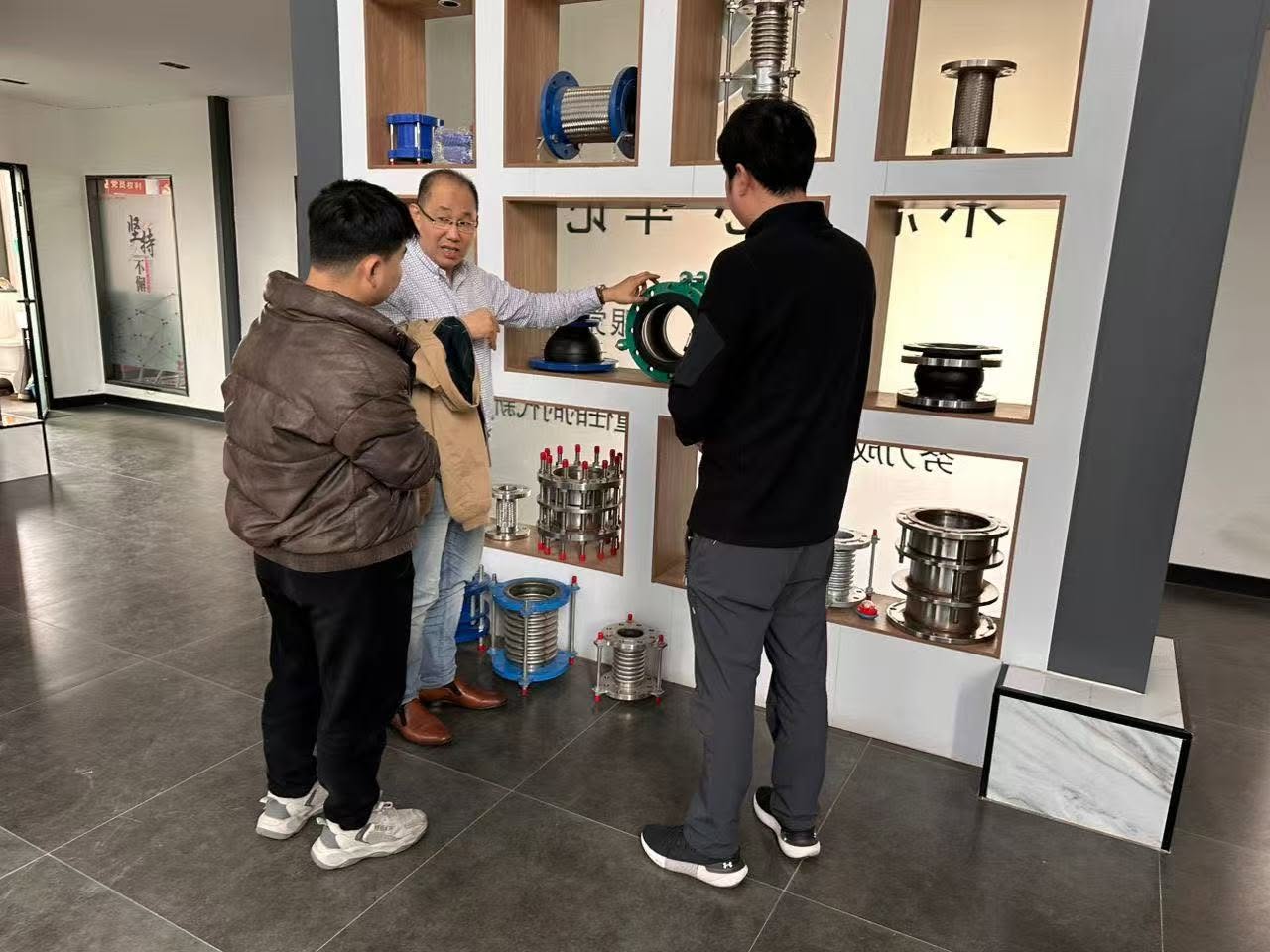
Product and Factory Information


Request a Quote
Please send your pipe size, pressure, medium, temperature, flange standard, required movement, quantity and drawings to Hongze Pipe. We will help you confirm a suitable double sphere rubber expansion joint for your project.