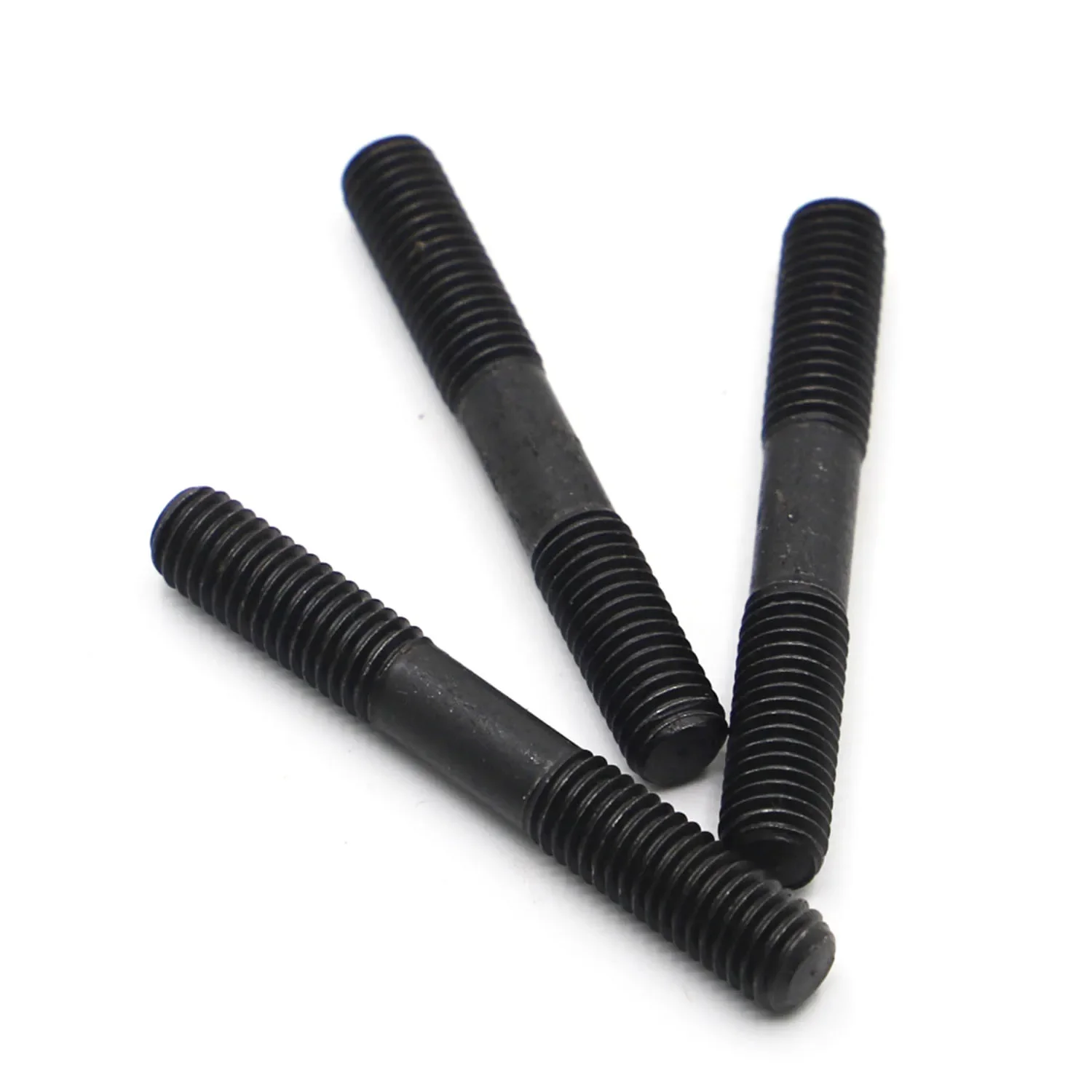
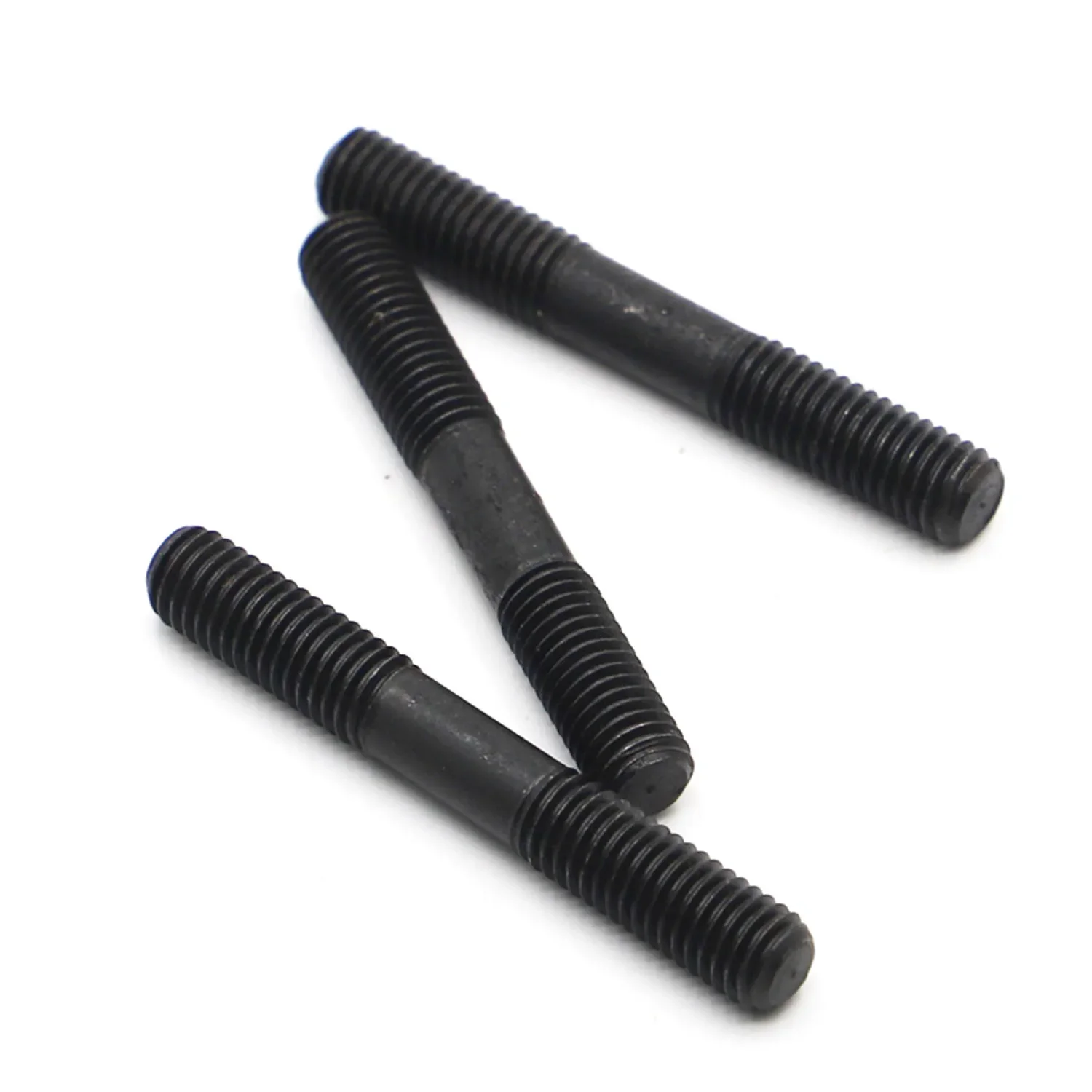
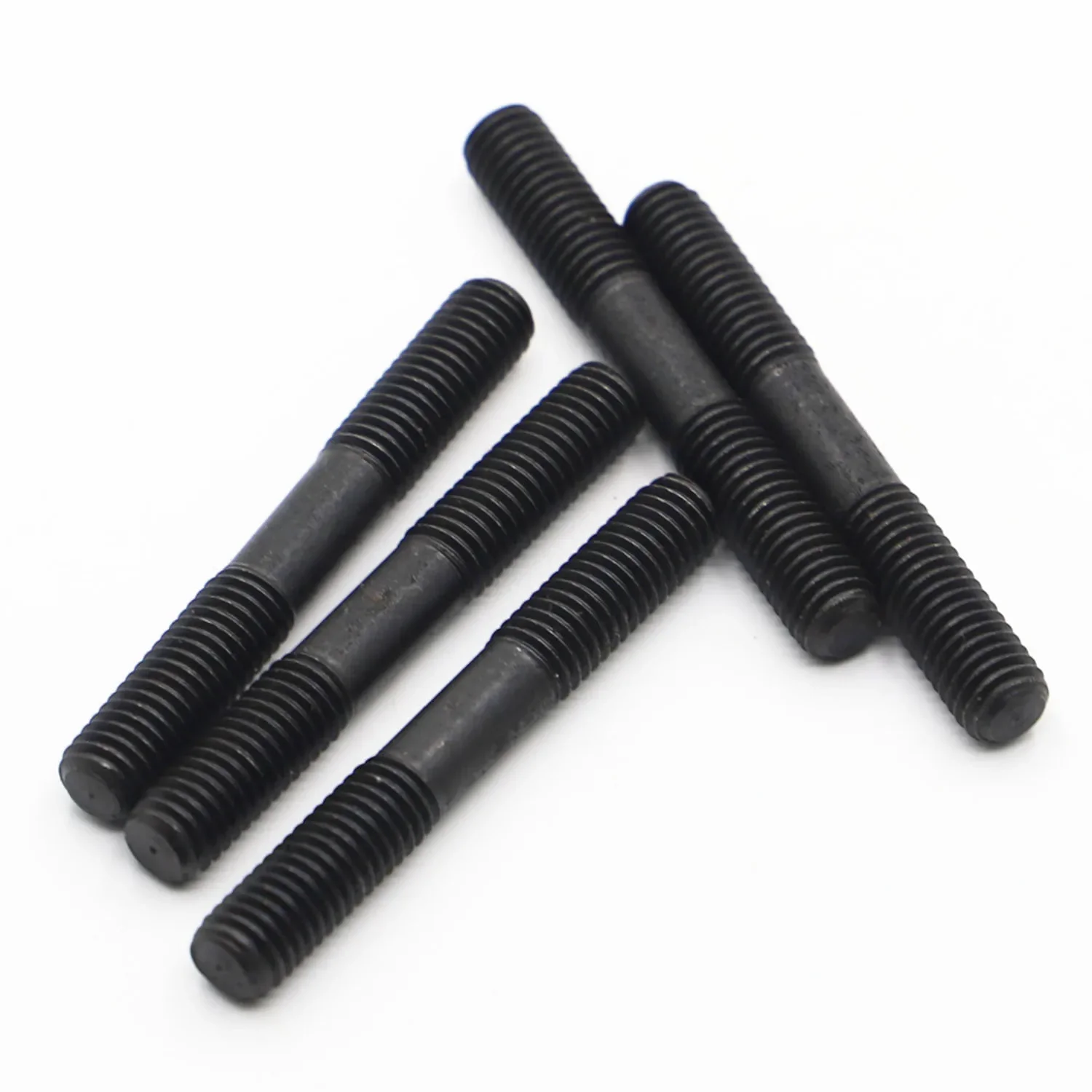
Stud Bolts and Nuts for Industrial Flange Connections
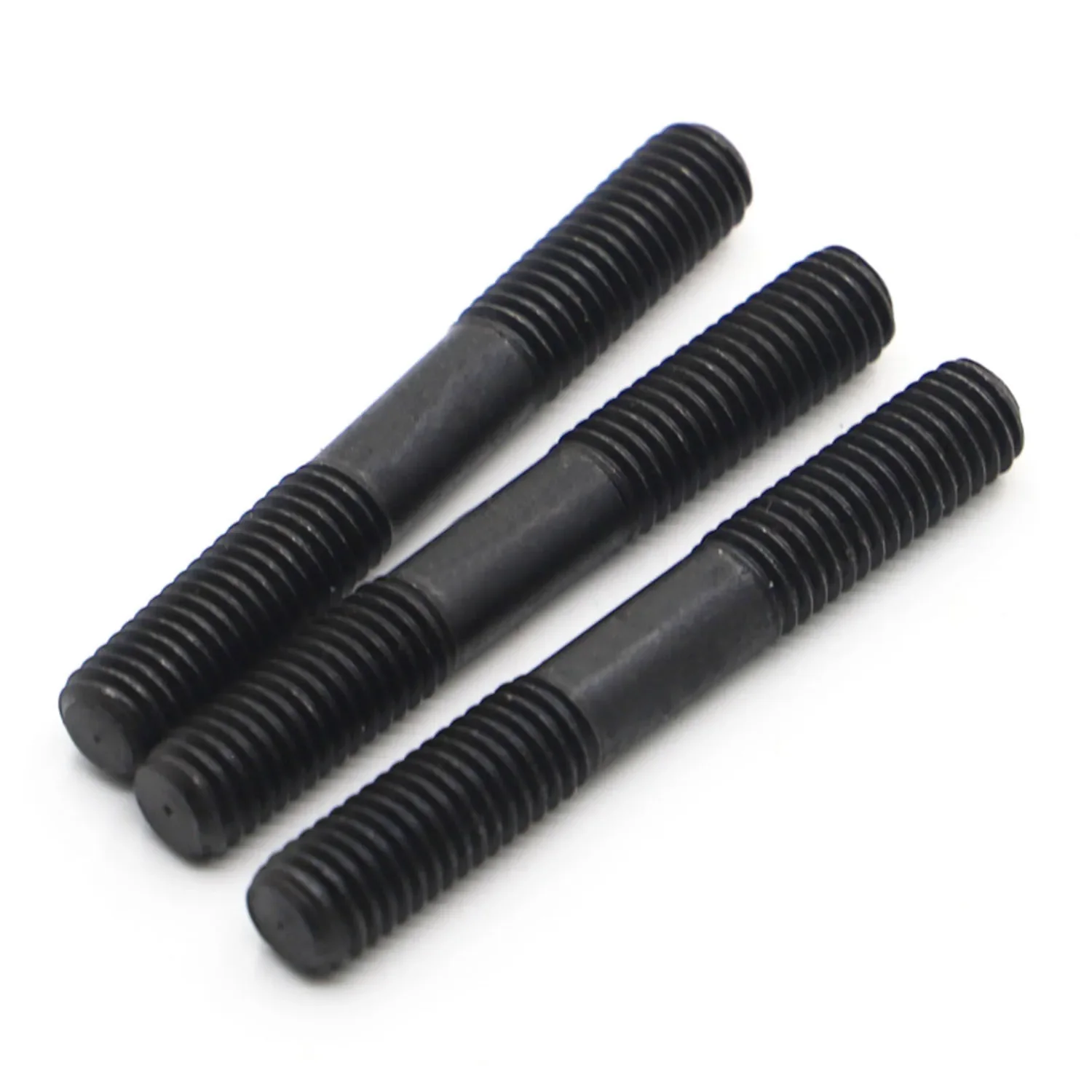
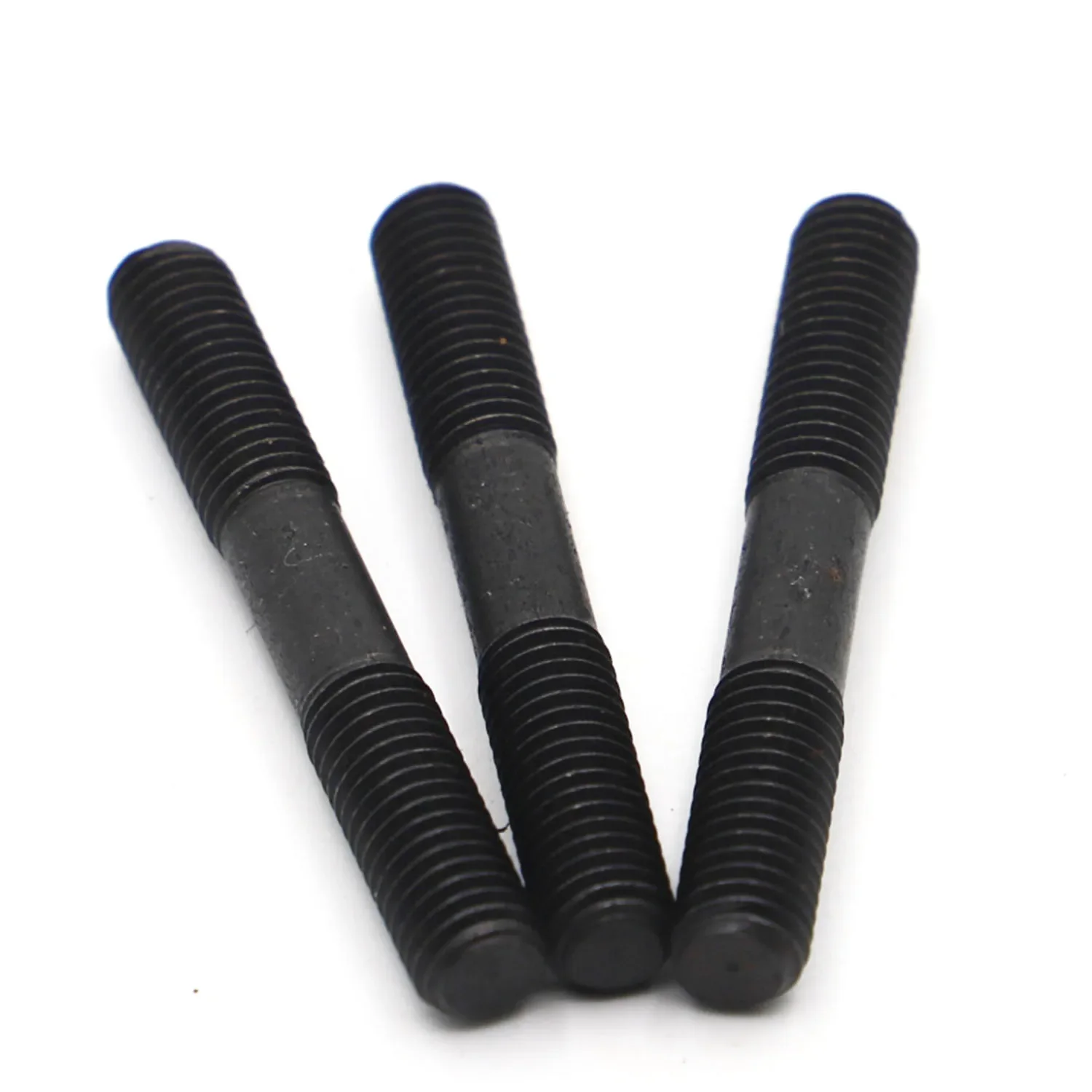
Hongze stud bolts and nuts are supplied for bolted flange joints, valves, pressure vessels, heat exchangers, pumps and industrial equipment. A flange stud bolt is normally a continuously threaded or double-end threaded fastener installed with one heavy hex nut at each end. When correctly selected and tightened, the bolting set develops the clamp load required to compress the gasket and maintain joint integrity under pressure, temperature and operating loads.
Zhengzhou Hongze Valve Pipeline Co., Ltd. supplies ASTM A193 B7, B7M, B16, B8 and B8M stud bolts with matching ASTM A194 nuts, as well as ASTM A320 low-temperature bolting, ISO metric fasteners and project-specific flange bolting. Inch and metric threads, custom diameters, custom cut lengths, heavy hex nuts, washers where required, plain finish, zinc coating, hot-dip galvanizing, PTFE/Xylan-type fluoropolymer coating and zinc-flake coating can be evaluated according to the application.
Stud bolts are part of an engineered flange joint. The correct bolt diameter, quantity and length depend on flange standard, nominal size, pressure class, facing, gasket, nut dimensions, washer use and required thread projection. Bolting material and coating must also be compatible with design temperature, corrosion, assembly lubricant, required preload and the governing piping code. Hongze therefore reviews the complete flange and service designation before production.
Key Product Capabilities
- Fully threaded flange stud bolts supplied with two matching heavy hex nuts.
- ASTM A193 alloy-steel and stainless-steel bolting for high-temperature, high-pressure and special-purpose applications.
- ASTM A320 bolting for applicable low-temperature service.
- ASTM A194 carbon-steel, alloy-steel and stainless-steel heavy hex nuts.
- Unified inch UNC and 8UN threads, plus ISO metric coarse or specified fine threads.
- Common diameters from 1/2 to 4 in. and M12 to M100.
- Large-diameter studs above 4 in. or M100 can be evaluated according to drawing, raw-material availability, applicable standard limits and project approval.
- Custom overall length, thread length, double-end configuration and unthreaded body.
- Plain black/oiled, zinc-plated, hot-dip galvanized, fluoropolymer/PTFE-type, Xylan-type and zinc-flake coating options.
- Optional PMI, hardness, tensile, proof-load, impact and coating inspection.
- Heat-number traceability, material certificates, color identification and project marking.
- Bolting sets packed by flange joint, size, item number or isometric line number.
General Stud Bolt and Nut Specifications
| Parameter | Available Range or Option |
|---|---|
| Product | Stud Bolt and Nut / Flange Bolting Set / Fully Threaded Stud |
| Stud configurations | Continuous thread stud, flange bolting stud, double-end stud, tap-end stud or drawing-specific stud |
| Common inch diameter | 1/2-4 in.; other large diameters subject to standard scope, bar availability and engineering review |
| Common metric diameter | M12-M100; larger custom diameters subject to material, testing, thread-gauging and project approval |
| Length | According to applicable flange bolting table or approved drawing; custom cut length available |
| Inch threads | UNC, 8UN or specified Unified thread form according to ASME B1.1 |
| Metric threads | ISO metric coarse or specified fine pitch; complete diameter and pitch must be stated |
| Thread class | Specified inch or metric fit class before coating; coating allowance and post-coating gauging by agreement |
| Common stud materials | ASTM A193 B7, B7M, B16, B8, B8M and other specified A193 grades; ASTM A320 low-temperature grades |
| Common nut materials | ASTM A194 2H, 2HM, 4, 7, 7M, 8, 8M and project-specified compatible grades |
| Nut pattern | Heavy hex commonly used for pressure bolting; other patterns only when specified and permitted |
| Washers | Supplied only when required by the flange standard, engineering design or installation specification |
| Finish / coating | Plain, black/oiled, zinc plated, hot-dip galvanized, fluoropolymer/PTFE-type, Xylan-type, zinc-flake or project coating |
| Inspection | Visual and dimensional inspection; mechanical, hardness, PMI, impact, coating and other tests as specified |
| Documentation | Material certificate, mechanical-test report, PMI, hardness, coating, inspection and packing documents as ordered |
| Customization | Material, diameter, pitch, length, thread engagement, nut grade, coating, marking and packing according to drawing |
Availability note: Not every grade, diameter, thread pitch, length and coating combination is permitted by every material standard. Large diameters and non-standard configurations are reviewed against the applicable specification, raw-material size, heat treatment, mechanical testing, thread gauging and project design before confirmation.
ASTM Stud Bolt and Nut Material Selection
| Stud Specification / Grade | Common Matching Nut | General Material Character | Selection Consideration |
|---|---|---|---|
| ASTM A193 B7 | ASTM A194 2H commonly specified | Heat-treated chromium-molybdenum alloy-steel bolting | Common pressure and elevated-temperature bolting; verify temperature, diameter-dependent properties, coating and piping code |
| ASTM A193 B7M | ASTM A194 2HM commonly specified | Controlled-hardness B7-type alloy bolting | Used in selected sour or hardness-controlled services; B7M and B7 are not interchangeable |
| ASTM A193 B16 | Compatible ASTM A194 grade such as Grade 4 or 7 only as permitted by the current design specification | Chromium-molybdenum-vanadium alloy bolting | Selected for particular elevated-temperature applications; nut grade and standard edition require project confirmation |
| ASTM A193 B8 Class 1 | ASTM A194 8 commonly specified | Solution-treated Type 304 stainless bolting | Corrosion and temperature selection must consider actual environment; Class 1 and Class 2 have different processing/properties |
| ASTM A193 B8 Class 2 | ASTM A194 8 or project-specified compatible nut | Strain-hardened Type 304 stainless bolting | Mechanical properties and size limitations are class-dependent; state class explicitly |
| ASTM A193 B8M Class 1 | ASTM A194 8M commonly specified | Solution-treated Type 316 stainless bolting | Often selected for improved corrosion resistance in suitable media; not universally resistant to chlorides |
| ASTM A193 B8M Class 2 | ASTM A194 8M or project-specified compatible nut | Strain-hardened Type 316 stainless bolting | State class, size, service temperature and corrosion conditions |
| ASTM A320 L7 | ASTM A194 7 commonly specified | Alloy-steel bolting for applicable low-temperature service | State minimum design-metal temperature and required impact-test temperature |
| ASTM A320 L7M | ASTM A194 7M commonly specified | Hardness-controlled low-temperature alloy bolting | Requires project-specific low-temperature and hardness review |
| Metric Property Class 8.8 / 10.9 | Compatible metric nut property class | ISO mechanical property classification for carbon/alloy-steel fasteners | Property class is not an ASTM A193 material grade and must not replace A193 pressure bolting without engineering approval |
Critical distinction: “4.8,” “8.8” and “10.9” are metric fastener property classes, not chemical material grades. “304” or “316” alone is also incomplete for pressure bolting; ASTM A193 grade, class and heat-treatment condition should be stated. Nut substitution is not allowed merely because another nut has similar hardness or dimensions. The approved piping specification and current ASTM edition govern the pair.
ASTM A193 and ASTM A194: What Is the Difference?
ASTM A193/A193M covers alloy-steel and stainless-steel bolting materials for pressure vessels, valves, flanges and fittings used in high-temperature, high-pressure or other special-purpose applications. It covers studs, stud bolts, bolts, screws, bars and related bolting material.
ASTM A194/A194M covers carbon-steel, alloy-steel and stainless-steel nuts for bolting used in high-pressure or high-temperature service, or both. Therefore an order such as “A193 B7 stud bolt” is incomplete if the matching nut grade, dimensions, finish and thread are not specified.
Common Unified Inch Thread Reference
The following thread designations are commonly encountered on ASME flange bolting. The purchase order and applicable flange/fastener standard govern the actual thread series and fit.
| Nominal Stud Diameter | Common Thread Designation | Threads per Inch | Typical Flange-Bolting Use |
|---|---|---|---|
| 1/2 in. | 1/2-13 UNC | 13 | Smaller flange and equipment bolting where specified |
| 5/8 in. | 5/8-11 UNC | 11 | Common flange bolting |
| 3/4 in. | 3/4-10 UNC | 10 | Common flange bolting |
| 7/8 in. | 7/8-9 UNC | 9 | Common flange bolting |
| 1 in. | 1-8 UNC | 8 | Common flange bolting |
| 1 1/8 in. | 1 1/8-8UN | 8 | Large flange bolting |
| 1 1/4 in. | 1 1/4-8UN | 8 | Large flange bolting |
| 1 3/8 in. | 1 3/8-8UN | 8 | Large flange bolting |
| 1 1/2 in. | 1 1/2-8UN | 8 | Large flange bolting |
| 1 5/8 in. | 1 5/8-8UN | 8 | Large flange bolting |
| 1 3/4 in. | 1 3/4-8UN | 8 | Large flange bolting |
| 1 7/8 in. | 1 7/8-8UN | 8 | Large flange bolting |
| 2 in. | 2-8UN | 8 | Large flange bolting |
| 2 1/4 in. and larger | 8UN where specified | 8 | Exact diameter, thread class and standard must be stated |
ASME B1.1 defines Unified inch thread form, series, class, allowance, tolerance and designation. Threads above 1 in. are frequently 8UN in pressure flange bolting, but this must be verified from the actual flange and bolting specification. UNC, UNF and 8UN nuts are not interchangeable.
Common ISO Metric Coarse Thread Reference
| Metric Diameter | Common Coarse Pitch | Metric Diameter | Common Coarse Pitch |
|---|---|---|---|
| M12 | 1.75 mm | M36 | 4.0 mm |
| M16 | 2.0 mm | M39 | 4.0 mm |
| M20 | 2.5 mm | M42 | 4.5 mm |
| M24 | 3.0 mm | M45 | 4.5 mm |
| M27 | 3.0 mm | M48 | 5.0 mm |
| M30 | 3.5 mm | M52 | 5.0 mm |
| M33 | 3.5 mm | M56 | 5.5 mm |
| M60 | 5.5 mm | M64 | 6.0 mm |
| M68 | 6.0 mm | M72 | 6.0 mm |
| M76 and larger | Specify exact pitch | Custom large diameter | According to drawing and thread-gauge capability |
Metric-thread note: Some flange standards or projects use metric fine threads rather than the coarse pitches shown above. Always write the full designation, such as M42 × 4.5, and specify tolerance class and coating condition. Do not convert an inch stud to the nearest metric diameter without checking the flange standard and nut.
Large-Diameter and Custom Stud Bolts
Hongze can evaluate extra-large stud bolts for ASME B16.47 large-diameter flanges, pressure vessels, heat exchangers, valve bodies, turbine equipment, wind power, industrial machinery and non-standard connections. Typical inquiries may exceed 4 in. or M100 and may require long overall lengths, partial thread, reduced body, special thread pitch or a drawing-specific nut.
| Custom Requirement | Available Engineering Review | Critical Information |
|---|---|---|
| Diameter above 4 in. / M100 | Raw bar, forged blank or project-specific manufacturing route | Material standard size limits, diameter, pitch, mechanical properties and thread-gauge availability |
| Extra-long stud | Cut from qualified bar with straightness and length control | Overall length, threaded length, body length, straightness, handling and packing |
| Double-end or reduced-body stud | Machined according to controlled drawing | Body diameter, transition radius, engagement length, thread runout and fatigue requirement |
| Custom heavy hex nut | Machined or forged nut subject to material and proof-load capability | Across flats, height, bearing face, thread class, proof-load and marking |
| Large coated bolting | Coating system with controlled thickness and friction data | Coating specification, topcoat color, coefficient of friction, fit allowance and curing temperature |
A large size is not automatically compliant with ASTM A193/A194 simply because the chemistry resembles a listed grade. Standard size limits, heat treatment, mechanical test specimen capability, hardness, proof load, thread gauging and marking must be verified. When a dimension falls outside the standard, the order must clearly identify the approved project specification.
How to Determine Stud Bolt Diameter and Quantity
For standard flanges, stud diameter and quantity are selected from the dimensional table for the exact flange standard, size, pressure class and series. Examples include ASME B16.5 and ASME B16.47 Series A or Series B. Series A and Series B use different dimensions, so “NPS 36 Class 150” alone is not a complete large-flange designation.
Never select stud diameter only from the flange-hole diameter. The engineering design must also consider required gasket load, internal pressure, external loads, flange rigidity, allowable bolting stress, temperature, relaxation, corrosion, fatigue and installation method.
How to Determine Stud Bolt Length
The required overall length includes the combined flange grip, compressed gasket or ring-joint geometry, washer thickness where washers are required, two nut heights and the specified thread projection beyond both nuts. Standard flange-bolting tables should be used whenever applicable.
Preliminary length concept: Grip thickness + compressed gasket allowance + required washer thickness + two nut heights + required projection and rounding allowance.
This concept is not a substitute for the applicable bolting table. Raised-face, flat-face and ring-type-joint assemblies may use different length rules. Bolt length can also change when insulation kits, spectacle blinds, spacers, orifice plates, wafer valves, paddle blinds or non-standard washers are inserted into the joint.
Stud Bolt Length Measurement
- Define whether length is measured end-to-end, excluding or including points/chamfers, according to the applicable stud standard.
- State overall length in one unit system; do not mix rounded metric and inch values.
- Specify end style, such as chamfered, rounded or project-specific point.
- Confirm expected thread projection after both nuts are fully engaged.
- For double-end studs, state threaded length on each end and unthreaded body length.
- For coated studs, account for coating thickness in the thread fit, not by arbitrarily increasing nominal length.
Surface Finish and Coating Selection
| Finish / Coating | Typical Purpose | Important Engineering Consideration |
|---|---|---|
| Plain / Black / Oiled | General service and short-term storage protection | Limited atmospheric corrosion protection; lubricant condition affects torque-preload relationship |
| Electroplated Zinc | Moderate corrosion protection for suitable fastener grades | Coating thickness, thread fit and hydrogen-embrittlement control must be reviewed for high-strength bolting |
| Hot-Dip Galvanized | Thicker zinc protection for suitable environments | Requires compatible oversized nut tapping and thread allowance; temperature, fit and embrittlement risk must be considered |
| Fluoropolymer / PTFE-Type | Corrosion protection and controlled low friction | Use the approved coating specification and coefficient of friction; uncoated torque values may produce incorrect preload |
| Xylan-Type Coating | Project-specified fluoropolymer coating with color and friction requirements | “Xylan” alone is incomplete; specify coating system, thickness, color, cure and friction range |
| Zinc-Flake / Dacromet-Type | Thin corrosion-resistant coating for selected services | Specify system, topcoat, friction coefficient, temperature and salt-spray requirement |
| Nickel or Special Plating | Project-specific corrosion, wear or anti-galling requirement | Compatibility, thickness, temperature, galvanic behavior and thread fit require review |
| Stainless Plain Finish | Corrosion-resistant stainless bolting | Stainless threads can gall; select compatible nut condition and approved assembly lubricant |
Torque warning: Coating and lubricant can change thread friction significantly. The same applied torque can generate very different bolt preload on plain, galvanized and fluoropolymer-coated studs. The project engineer should provide the approved tightening method, lubricant and target bolt load or torque for the supplied coating condition.
Heavy Hex Nuts and Washers
ASTM A194 nuts are commonly supplied in heavy hex form for pressure bolting. Nut grade, thread series and fit must match the stud and service. A nut should run freely by hand through the required engagement before final assembly, subject to the specified coating and thread class.
Washers are not automatically required for every flanged joint. Adding an unapproved washer changes the grip length, thread projection, bearing surface and friction. Washers should be supplied only when the flange standard, joint design or installation procedure requires them. When hardened washers are specified, provide the exact washer standard, material, dimensions, hardness and coating rather than simply requesting “matching washers.”
Manufacturing Process
- Order review: verify material specification, grade, class, diameter, pitch, length, nut, coating, testing and marking.
- Raw-material control: confirm heat number, chemistry, bar size and material certificate.
- Cutting and straightening: produce the required blank length and control straightness.
- Heat treatment: perform quench-and-temper, solution treatment, strain hardening or grade-specific treatment as required.
- Thread production: roll or cut threads according to material, size, standard and approved manufacturing method.
- Nut production: forge or machine, tap, heat treat and proof-load as required by the nut specification.
- Inspection: verify dimensions, threads, hardness, mechanical properties, identification and supplementary tests.
- Coating: prepare the surface, apply the specified system and control thickness, cure and friction requirements.
- Final gauging: inspect thread acceptance in the specified final condition, particularly after coating.
- Marking and packing: preserve grade/heat traceability and pack by size or flange-joint requirement.
Inspection, Testing and Documentation
| Inspection or Test | Purpose | Ordering Requirement |
|---|---|---|
| Visual and Dimensional Inspection | Diameter, length, nut dimensions, end condition, workmanship and marking | Standard final inspection; detailed report by agreement |
| Thread Gauging | Verify pitch, size, tolerance class and assembly fit | State final coated or uncoated gauging condition |
| Chemical Analysis | Verify material grade chemistry | Reported on material certificate according to specification |
| Tensile / Mechanical Test | Verify grade and diameter-dependent mechanical properties | According to ASTM grade and purchaser supplementary requirements |
| Hardness Test | Verify heat treatment and hardness-controlled grades such as B7M/2HM | State frequency and service-specific limits |
| Nut Proof-Load Test | Verify the load capacity of specified nut grade | According to ASTM A194 requirements and size limitations |
| Impact Test | Verify low-temperature notch toughness | Specify test temperature and applicable A320 grade |
| PMI | Alloy identification screening | Specify percentage, locations and reporting |
| Coating Thickness / Adhesion / Friction | Verify coating system and assembly performance variables | Specify acceptance limits, test method and coefficient-of-friction range |
| Third-Party Inspection | Independent witness, review or inspection | Nominate agency and inspection scope before production |
Marking and Traceability
Stud bolts and nuts can be marked according to the applicable material standard and project specification. Identification may include manufacturer mark, ASTM grade, class, heat number or lot number, diameter, length and coating code. Small components may use package or lot identification where allowed.
Color coding can assist site identification but does not replace permanent grade marking or material certificates. If the studs are cut after delivery, the fabricator must maintain traceability to the original heat and transfer required identification according to the quality procedure.
Packaging Options
- Stud with two nuts assembled or nuts packed separately.
- Plastic caps or thread protectors for large or coated threads.
- Small cartons inside plywood cases or reinforced pallets.
- Oil paper, VCI protection, waterproof bags or desiccant when specified.
- Separate packing by diameter, length, flange size, item number, line number or installation location.
- Labels showing standard, grade, size, quantity, heat/lot and coating.
Applications
- ASME B16.5 and ASME B16.47 flange joints.
- Oil and gas production, pipeline and processing facilities.
- Refineries and petrochemical process units.
- Power-plant steam, feedwater and auxiliary piping.
- Chemical plants and pressure equipment.
- Low-temperature process and storage systems using approved A320 grades.
- Valves, pumps, compressors and heat exchangers.
- Water treatment, wastewater and large water-transmission systems.
- Marine, shipbuilding and offshore installations.
- Industrial machinery and custom equipment connections.
Installation and Flange Bolt-Up Notes
- Verify stud grade, nut grade, diameter, thread, length and coating against the flange-joint procedure.
- Inspect flange faces, gasket, bolt holes and threads before assembly.
- Do not use studs with damaged, contaminated or incorrectly coated threads.
- Use the specified lubricant; do not mix dry and lubricated studs in one joint.
- Install nuts with full thread engagement and the required thread projection.
- Tighten using the approved cross pattern and multiple controlled passes.
- Use calibrated torque, hydraulic tensioning, bolt-load measurement or another project-approved method.
- Never reuse pressure bolting unless the project procedure permits reuse after inspection.
- Do not weld, heat, bend or modify high-strength stud bolts at site without engineering approval.
- Record final tightening or tensioning data when required by the quality plan.
How to Specify a Stud Bolt and Nut Set
Quantity + Stud Standard/Grade/Class + Diameter and Thread + Overall Length + Nut Standard/Grade + Finish/Coating + Inspection + Marking + Packing
Example: Stud bolt with two heavy hex nuts, 1 1/4-8UN × 265 mm long, ASTM A193 B7 stud / ASTM A194 2H nuts, plain black/oiled, material certificates required.
Alloy high-temperature example: Stud bolt and two nuts, 1 5/8-8UN × 400 mm, ASTM A193 B16 / ASTM A194 Grade 4 or approved compatible grade according to project specification, mechanical-test certificates required.
Stainless example: Stud bolt with two heavy hex nuts, M30 × 3.5 × 350 mm, ASTM A193 B8M Class 2 / ASTM A194 8M, final thread fit and anti-galling assembly procedure to be confirmed.
Coated example: ASTM A193 B7 / ASTM A194 2H stud-bolt set, project-specified fluoropolymer coating, coating thickness and coefficient of friction controlled, final thread gauging after coating.
Information Required for an Accurate Quotation
- Stud material standard, grade and class.
- Nut material standard, grade and pattern.
- Inch or metric diameter and complete thread designation.
- Overall length and length measurement convention.
- Quantity of studs, nuts and any approved washers.
- Flange standard, size, class/PN and Series A/B where applicable.
- Design pressure, design temperature, medium and minimum design-metal temperature.
- Plain, galvanized, fluoropolymer, Xylan-type, zinc-flake or project coating.
- Lubricant and required coating coefficient of friction when torque-controlled assembly is used.
- Mechanical tests, hardness, impact, PMI, coating tests and third-party inspection.
- Material certificates, marking, color coding and packing requirements.
- Drawing for every large-diameter, reduced-body or non-standard configuration.
Why Choose Hongze for Stud Bolts and Nuts?
- Combined supply of bolting, flanges, gaskets, pipe, fittings, valves and expansion joints.
- Technical review of stud and nut pairing before quotation.
- Inch and metric threads with custom diameter and length options.
- Large-diameter and special studs evaluated according to drawing and material specification.
- Plain, galvanized and controlled-friction coating options.
- Thread gauging, hardness, mechanical, PMI and coating inspection support.
- Heat traceability, project marking and material documentation.
- Export packing organized by flange joint or installation location.
Frequently Asked Questions
What is a flange stud bolt?
A flange stud bolt is a continuously threaded or double-end threaded fastener used with a nut at each end to clamp two flange halves and compress the gasket.
What is the difference between ASTM A193 and ASTM A194?
ASTM A193 covers alloy and stainless bolting materials such as studs, while ASTM A194 covers compatible carbon, alloy and stainless nuts for high-pressure or high-temperature bolting.
Which nut is normally used with ASTM A193 B7?
ASTM A194 Grade 2H is a commonly specified pairing. The final nut grade must follow the governing piping specification and current standard edition.
What is the difference between B7 and B7M?
B7M is a controlled-hardness bolting grade used in selected services such as some sour-service specifications. It is commonly paired with 2HM nuts. B7 and B7M must not be substituted without approval.
Are 8.8 and A193 B7 the same?
No. 8.8 is an ISO metric property class, while A193 B7 is an ASTM alloy-steel bolting material grade with specific chemistry, heat treatment and requirements.
What does 1 1/4-8UN mean?
It describes a 1 1/4-inch nominal thread diameter with eight Unified threads per inch. The required thread class and coating condition must also be stated.
How is stud bolt length selected?
Length is selected from the exact flange standard and joint configuration. It must accommodate flange grip, gasket, approved washers, two nuts and required thread projection.
Can large-diameter stud bolts be customized?
Yes. Diameters above 4 in. or M100, extra-long studs, reduced bodies and custom nuts can be evaluated according to the material standard, drawing, testing capability and project approval.
Can B7 stud bolts be PTFE or Xylan coated?
Yes, when the approved coating specification defines surface preparation, coating thickness, cure, friction coefficient, thread allowance and final gauging. Torque must match the coated condition.
Can stud bolts be hot-dip galvanized?
Selected fasteners can be galvanized, but high-strength material, hydrogen-embrittlement risk, nut overtapping, thread fit, temperature and service compatibility require engineering review.
Are washers required for flange stud bolts?
Not always. Washers should be used only when required by the flange-joint design or installation specification because they change grip, bearing and friction conditions.
Can stainless steel studs gall during tightening?
Yes. Stainless threads can gall. Correct material condition, compatible nut, clean threads, approved lubricant and controlled tightening help reduce the risk.
What inspections are available?
Dimensional inspection, thread gauging, mechanical tests, hardness, proof load, impact, PMI, coating inspection and third-party inspection can be arranged when specified before production.
What information is needed for quotation?
Send stud grade, nut grade, diameter/thread, length, quantity, flange standard, service conditions, coating, tests, certificates and drawing requirements.
Related Pipeline Products
- Industrial Pipe Flanges
- Seamless Steel Pipe
- Steel Pipe Elbows
- Concentric Reducer Pipe Fittings
- Industrial Pipe Fittings
Request a Stud Bolt and Nut Quotation
Send the stud and nut grades, complete thread designation, overall length, quantity, flange standard, service temperature, coating and inspection requirements. For large-diameter or special studs, attach a controlled drawing showing thread, body and end dimensions.
Company: Zhengzhou Hongze Valve Pipeline Co., Ltd.
WhatsApp: +86 15838027988
Email: export@hongzepipe.com
Contact: Send Your Bolting List and Requirements